TPO vs EPDM roofing New Jersey – When it comes to commercial roofing, TPO and EPDM are two of the most popular flat roof materials used across New Jersey. Both are trusted for their durability, weather resistance, and cost-effectiveness — but they differ in performance, appearance, and long-term value.
Choosing the right system for your business depends on several factors, including building design, climate conditions, energy goals, and maintenance preferences.
At All Pro 1 New Jersey, we install, repair, and maintain both TPO and EPDM roofing systems, helping property owners choose the best fit for their commercial needs. Let’s explore how these two roofing materials compare.
What Is TPO Roofing?
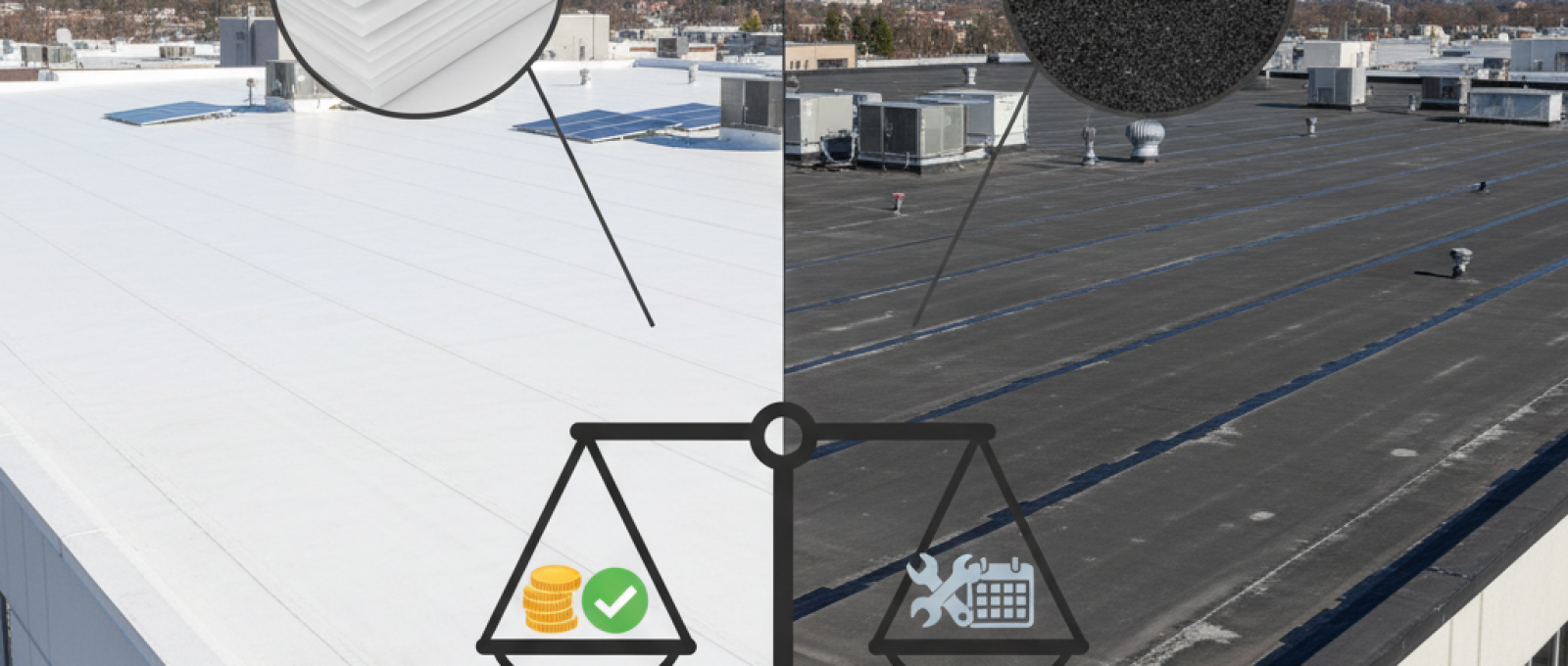
TPO (Thermoplastic Polyolefin) is a single-ply roofing membrane known for its bright white, reflective surface. It’s designed to reflect sunlight and reduce heat absorption, making it an excellent choice for improving energy efficiency.
TPO roofs are heat-welded at the seams, creating a continuous waterproof barrier that’s resistant to leaks and punctures. The material is also resistant to UV rays, ozone, and chemical exposure — all key benefits for commercial buildings exposed to New Jersey’s varied weather.
What Is EPDM Roofing?
EPDM (Ethylene Propylene Diene Monomer), often called “rubber roofing,” is a single-ply membrane made from synthetic rubber. It’s typically black, flexible, and highly durable.
EPDM has been used in commercial roofing for over 50 years and is valued for its proven track record, weather resistance, and ease of maintenance. It performs especially well in colder climates due to its flexibility and ability to withstand freezing and thawing cycles.
TPO vs. EPDM: A Side-by-Side Comparison
Below is a breakdown of how TPO and EPDM differ across key performance areas.
1. Energy Efficiency
-
TPO:
The white, reflective surface of TPO roofing helps reduce heat absorption and keeps interior temperatures cooler. This lowers air conditioning costs, particularly during hot New Jersey summers. -
EPDM:
Traditional black EPDM absorbs heat, which can be beneficial in colder months but less efficient during summer. White EPDM options are available, but they are generally less reflective than TPO.
Verdict: TPO offers better energy efficiency, especially for buildings aiming to reduce cooling costs.
2. Durability and Lifespan
-
TPO:
TPO is resistant to punctures, tears, and chemical damage. However, as a relatively newer material (introduced in the 1990s), its long-term lifespan is still being evaluated, typically lasting around 20–25 years with proper maintenance. -
EPDM:
EPDM has a proven lifespan of 25–30 years or more when properly installed. Its flexibility helps it endure temperature changes and structural movement without cracking.
Verdict: EPDM has a longer, proven track record for durability.
3. Installation Method
-
TPO:
Installed using heat-welded seams, which create a watertight bond and strong resistance to leaks. This process requires specialized tools and skilled installation. -
EPDM:
Installed using adhesives or tape to seal seams. It’s generally quicker and simpler to install, making it more cost-effective for some projects.
Verdict: Both are reliable when installed professionally, but TPO’s welded seams offer superior leak protection.
4. Maintenance Requirements
-
TPO:
Requires regular inspections to ensure welded seams remain intact and reflective surfaces stay clean. -
EPDM:
Known for low maintenance needs; repairs are typically straightforward and cost-effective using patch materials.
Verdict: EPDM wins for simplicity and long-term maintenance ease.
5. Cost and Value
-
TPO:
Slightly more expensive upfront but can provide long-term energy savings due to its reflective properties. -
EPDM:
Typically more affordable to install but may lead to higher cooling costs in summer if not coated or insulated properly.
Verdict: If your goal is energy efficiency, TPO may provide better long-term value. For budget-friendly durability, EPDM is an excellent option.
Which Roofing System Is Right for You?
Both TPO and EPDM roofing systems offer excellent protection for commercial buildings, but the right choice depends on your property’s needs.
Choose TPO roofing if you want:
-
Maximum energy efficiency and reflectivity
-
Welded seams for superior waterproofing
-
A modern, clean appearance
Choose EPDM roofing if you want:
-
Proven long-term performance
-
Lower upfront installation costs
-
A flexible, weather-resistant material for cold climates
The experts at All Pro 1 New Jersey can evaluate your roof and recommend the ideal material based on your building type, budget, and long-term goals.
Why Choose All Pro 1 New Jersey
When you work with All Pro 1 New Jersey, you get more than just a roofing contractor — you get a trusted partner with years of commercial roofing experience. We’re fully licensed, insured, and dedicated to providing top-quality installations and reliable service across New Jersey.
We offer:
-
Professional TPO and EPDM installation and replacement
-
Commercial roof inspections and maintenance programs
-
Free, no-obligation estimates
-
Competitive pricing and long-term warranties
Whether you manage an office building, warehouse, or retail space, we’ll help you make a smart roofing investment that protects your property for years to come.
Schedule Your Free Roofing Consultation Today
Not sure whether TPO or EPDM is right for your commercial property? Let the experts at All Pro 1 New Jersey guide you to the best choice.
Call (201) 773-6635 or request a free estimate today to get started.
Visit https://allprosnj.com/ to learn more about our commercial roofing services across New Jersey.