Emergency guide
What to know about roof emergencies in New Jersey
Roof emergencies tend to happen at the worst possible time: overnight during a nor’easter, on a holiday weekend, or in the middle of a winter freeze. Knowing what causes them, what temporary protection can and can’t do, and how to prepare can make a stressful night a lot more manageable.
The most common roof emergencies
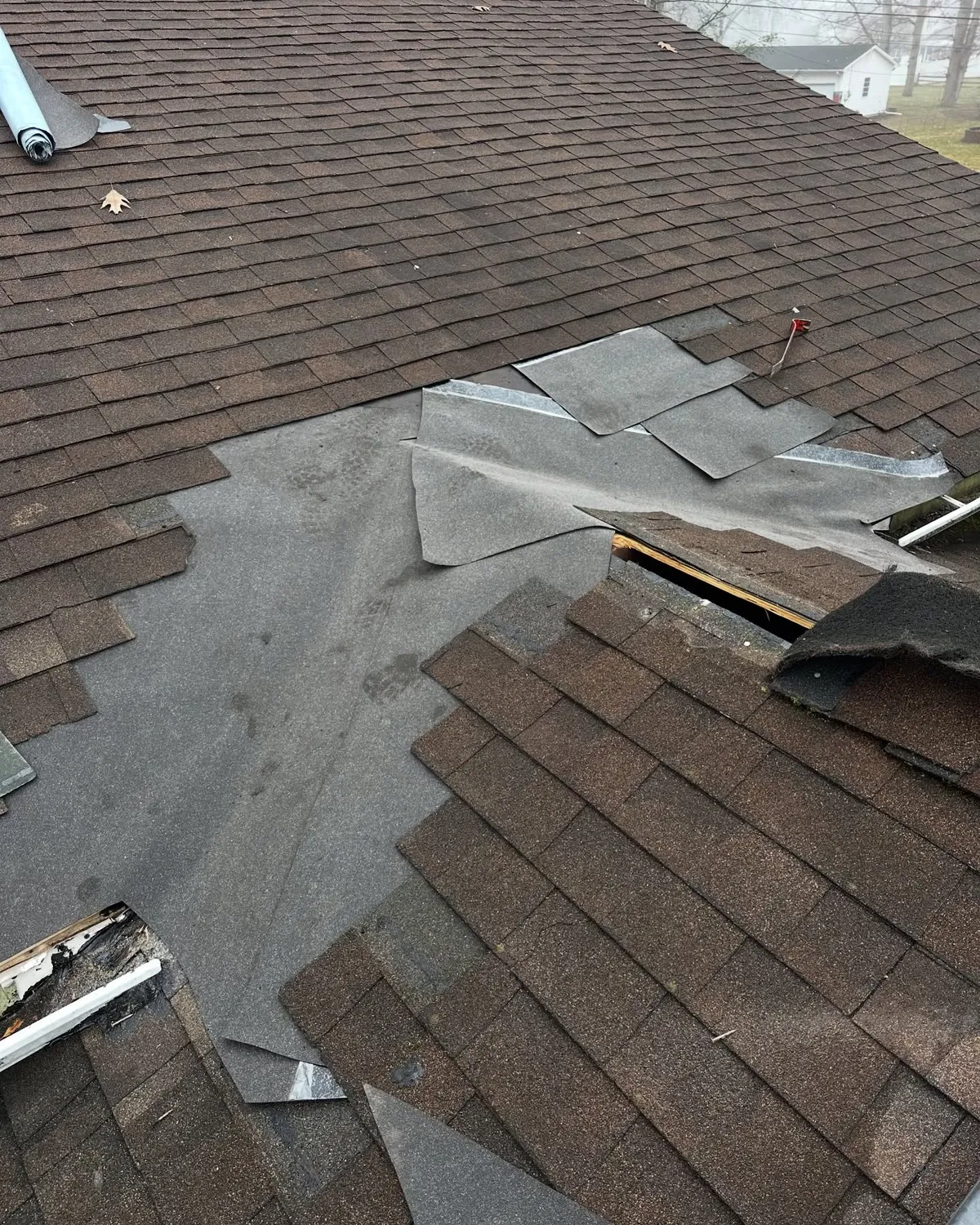
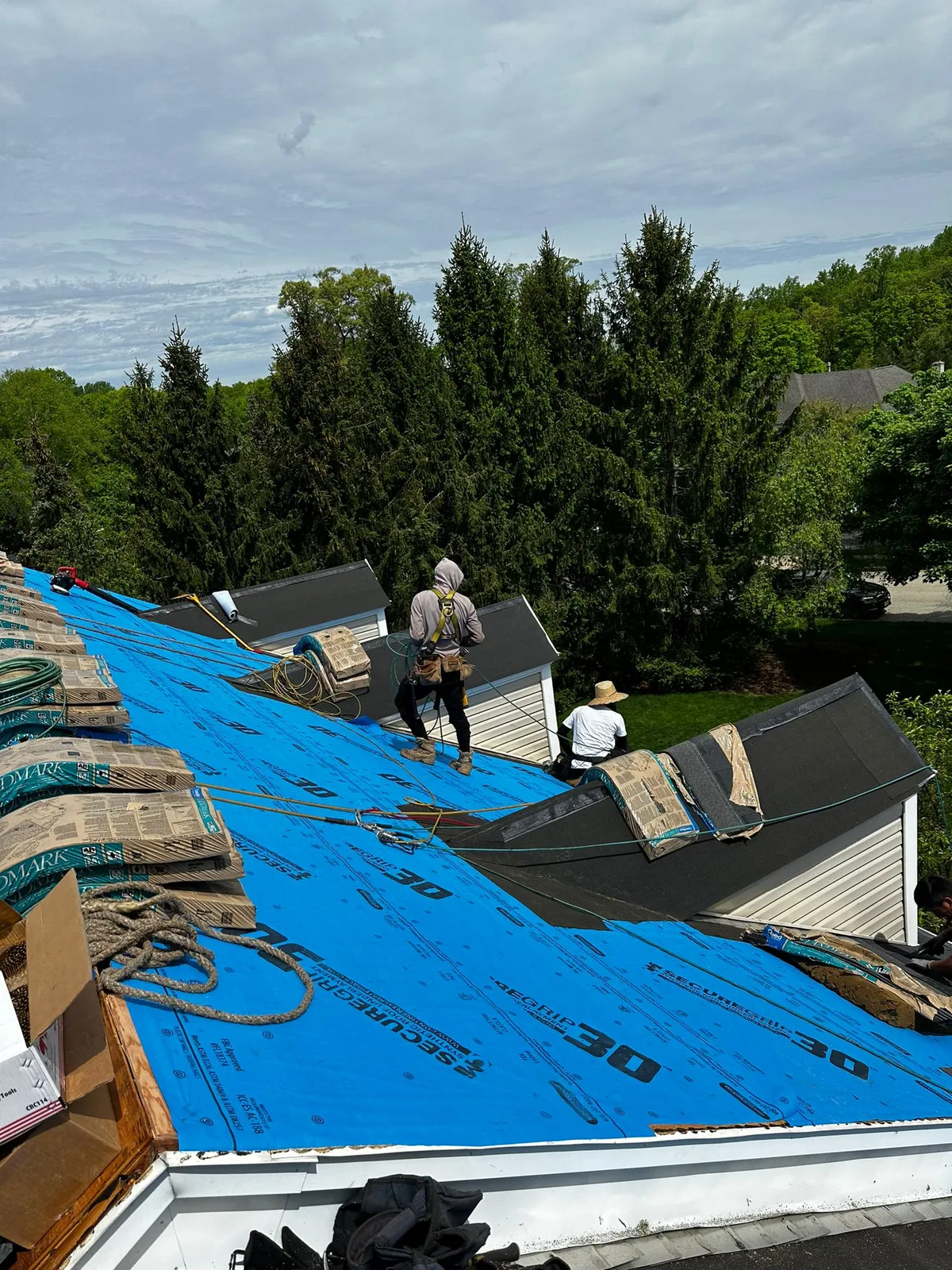
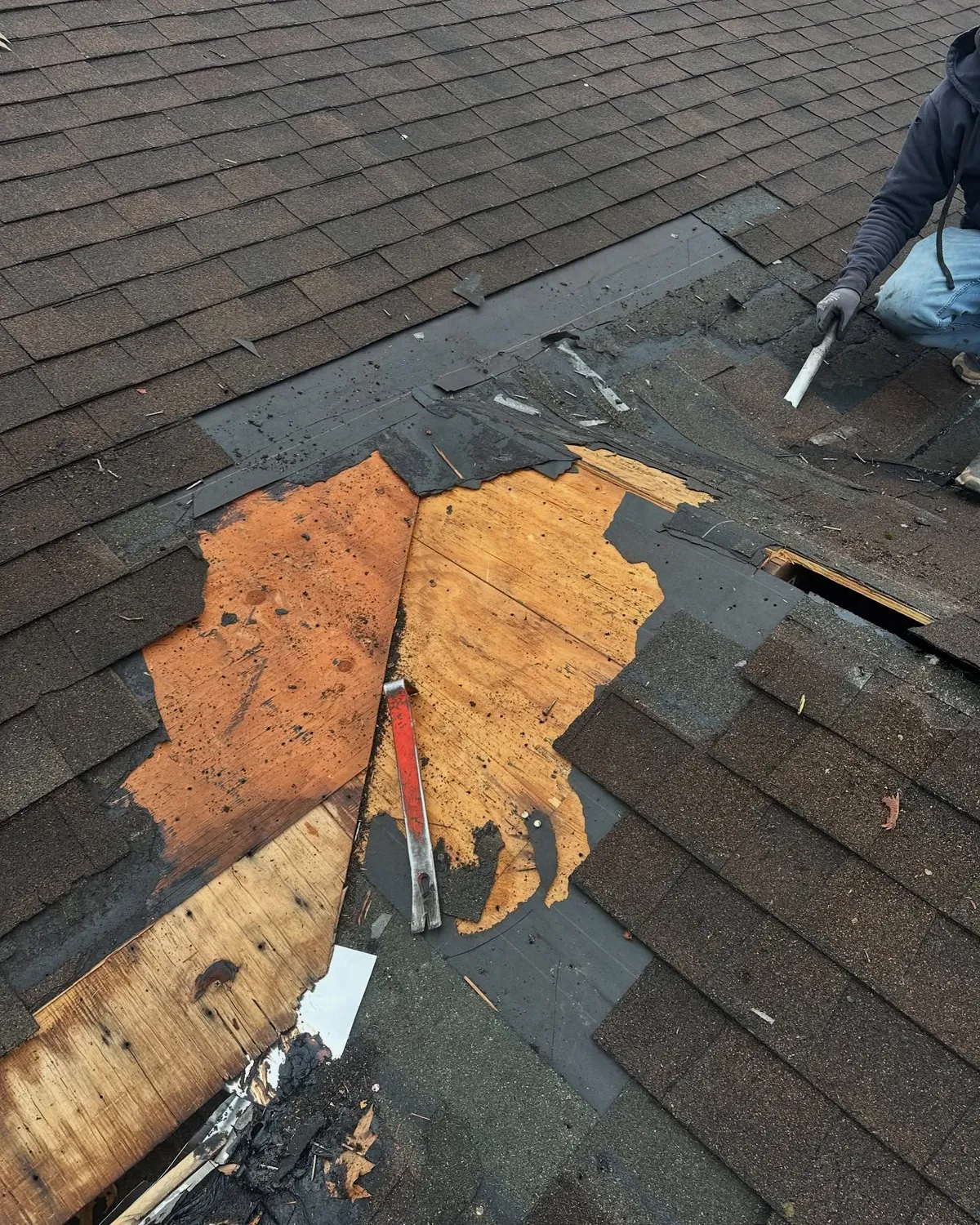
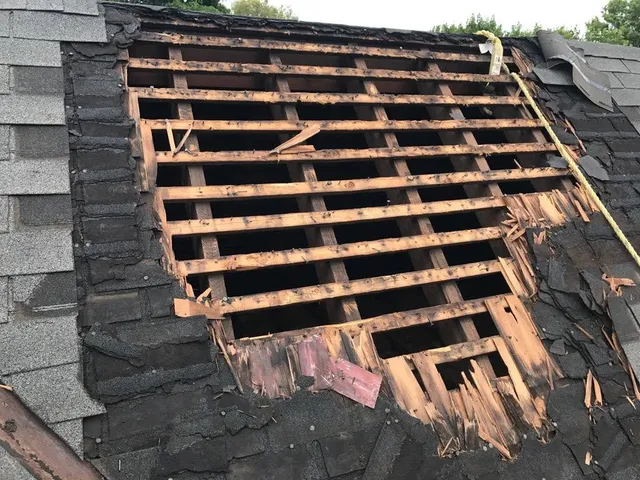
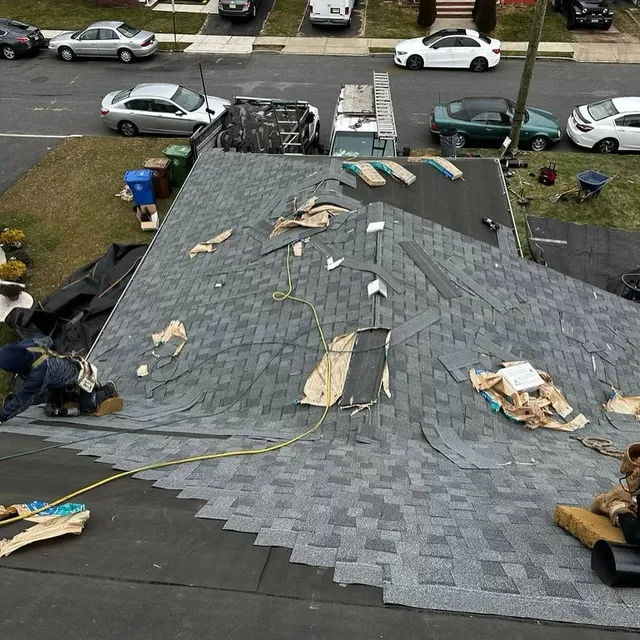
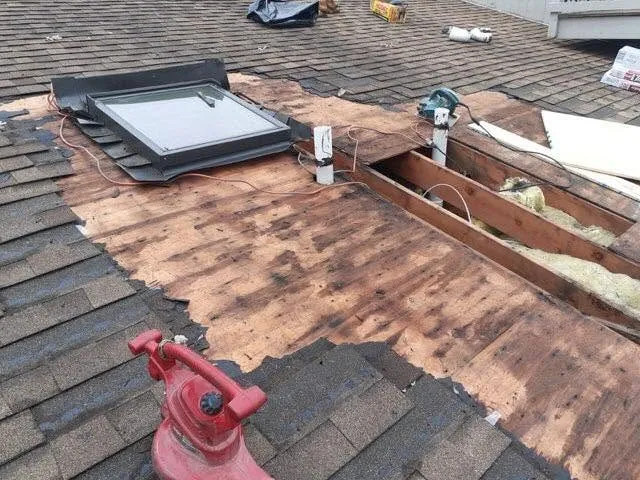
Most emergency calls come from a few situations: a tree or large limb coming down on the roof in a storm, wind tearing off a section of shingles, ice dams forcing water inside during a winter thaw, or an older roof that finally fails during a long, heavy rain. In each case the goal is the same: stop more water from getting in, then make a proper repair.
How temporary protection works
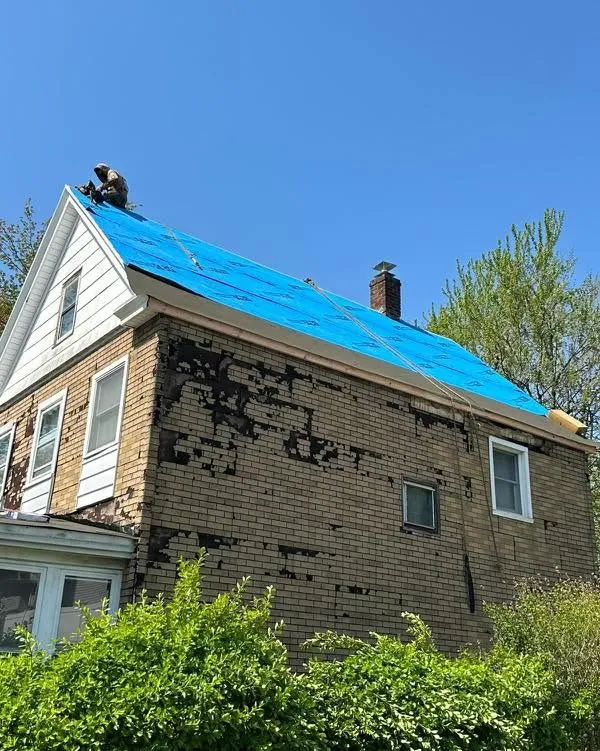
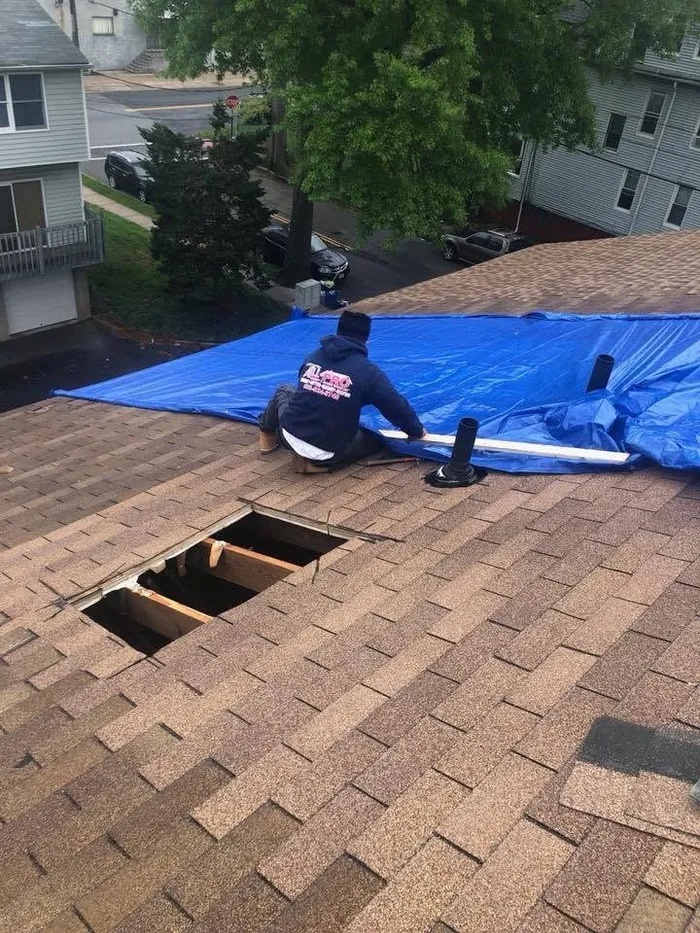
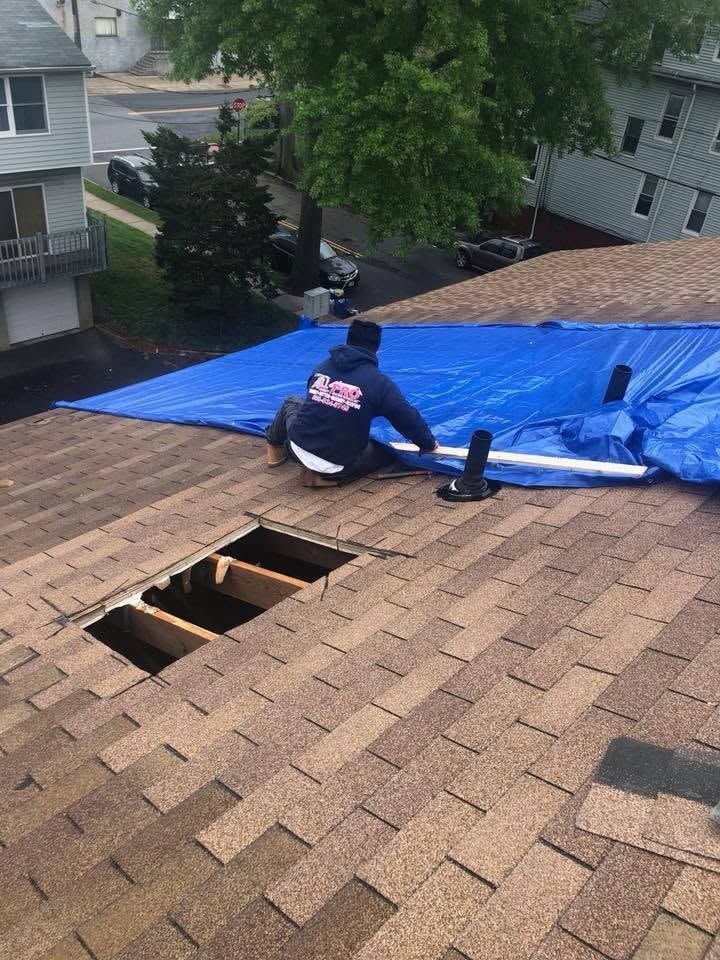
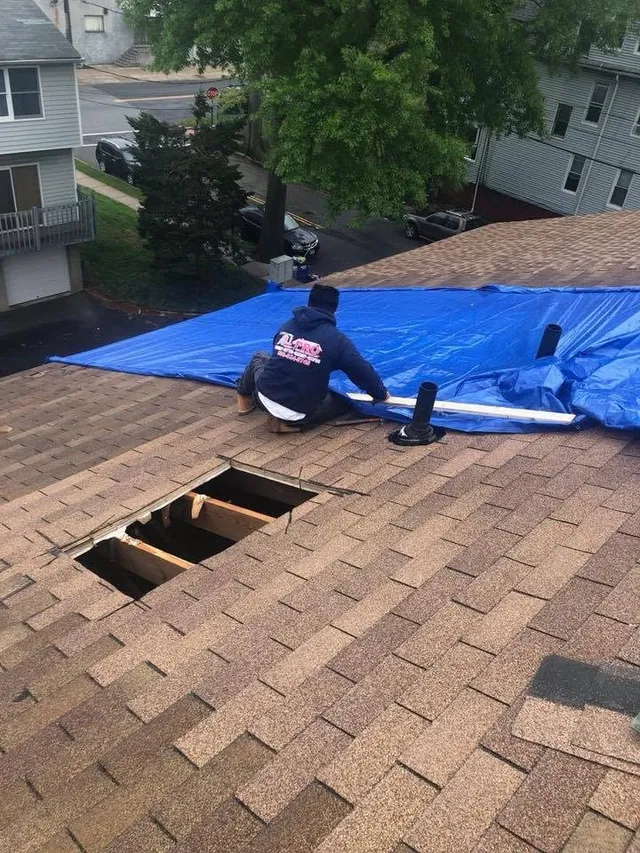
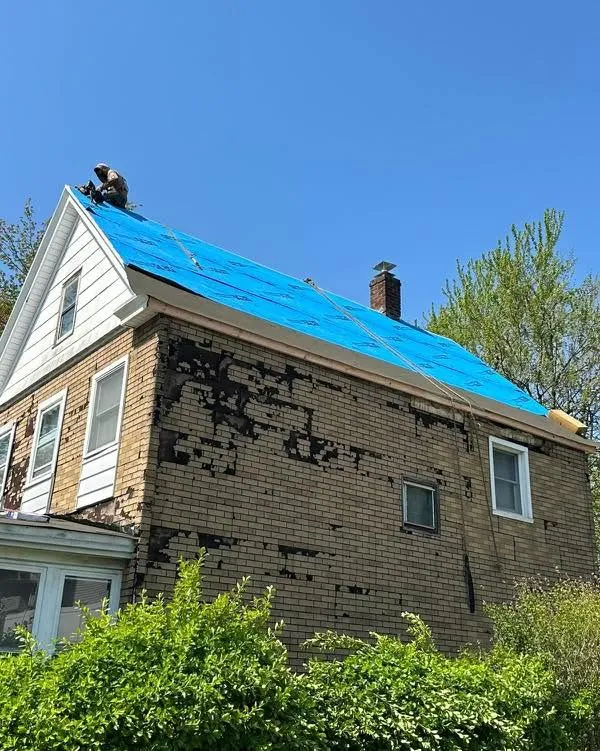
An emergency tarp is a heavy, waterproof cover fastened over the damaged area and past it, so water runs over the tarp and off the roof. Where the damage is small, a targeted temporary patch may be enough. Either way, temporary protection is meant for the short term. Sun and wind wear tarps down, so the permanent repair should follow as soon as practical.
Winter emergencies and ice dams
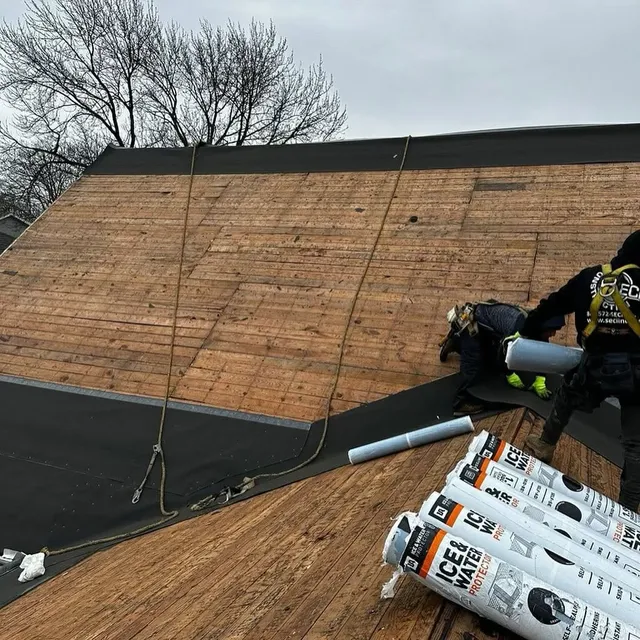
Ice dams form when heat from the house melts snow on the roof and the water refreezes at the colder eaves. The ridge of ice traps water behind it, which can back up under shingles and into walls and ceilings. Don’t chip at ice with a hammer or shovel, since that damages shingles. Clearing snow from the lower edge of the roof with a roof rake from the ground can help. Long term, better attic insulation and ventilation are the real fix.
Get ready before storm season
A little preparation goes a long way:
- Clean gutters and downspouts in late fall and spring
- Have overhanging branches trimmed by a tree service
- Fix small leaks and worn flashing before winter
- Know what your homeowners policy covers and where the documents are
- Save our number: (201) 773-6635, 24/7