Roof replacement guide
Planning a roof replacement in New Jersey
A new roof is one of the bigger projects a homeowner takes on, and one you’ll live with for decades. Here’s what to think about before, during, and after, from choosing materials to what install day actually looks like.
When to schedule
Spring through fall is the busiest season, because asphalt shingles seal best in mild, dry weather. Replacements can still be done in winter on suitable days, but schedules are more weather-dependent. If your roof is showing its age, getting an estimate before it starts leaking gives you time to choose materials and pick a date, instead of making decisions in a rush after a storm.
Choosing your roofing material
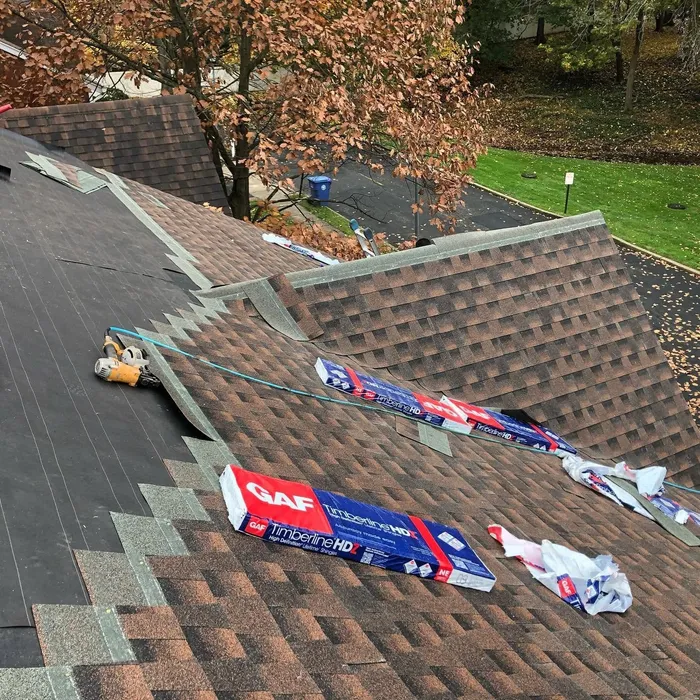
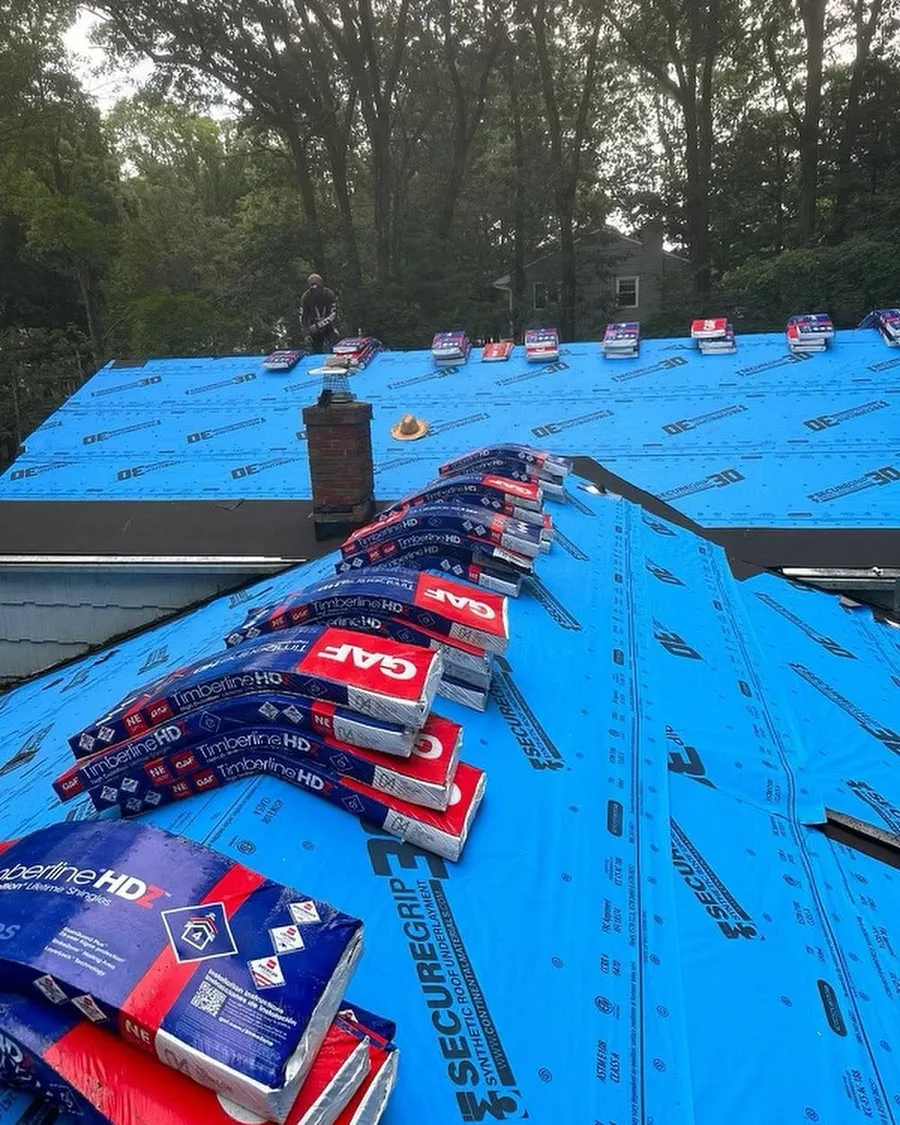
Most New Jersey homes get architectural asphalt shingles. They’re thicker and more dimensional than older three-tab shingles and come in a wide range of colors. We install products such as GAF Timberline HDZ. Low-slope sections over porches, additions, and garages usually need a flat-roof system such as TPO, PVC, or torch-down instead of shingles. Cedar shake and metal are options for homes where the look or longevity matters most.
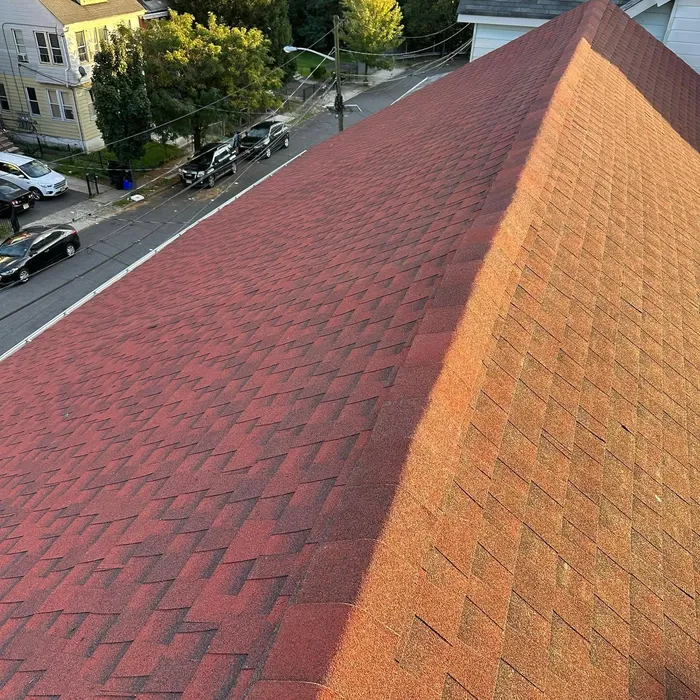
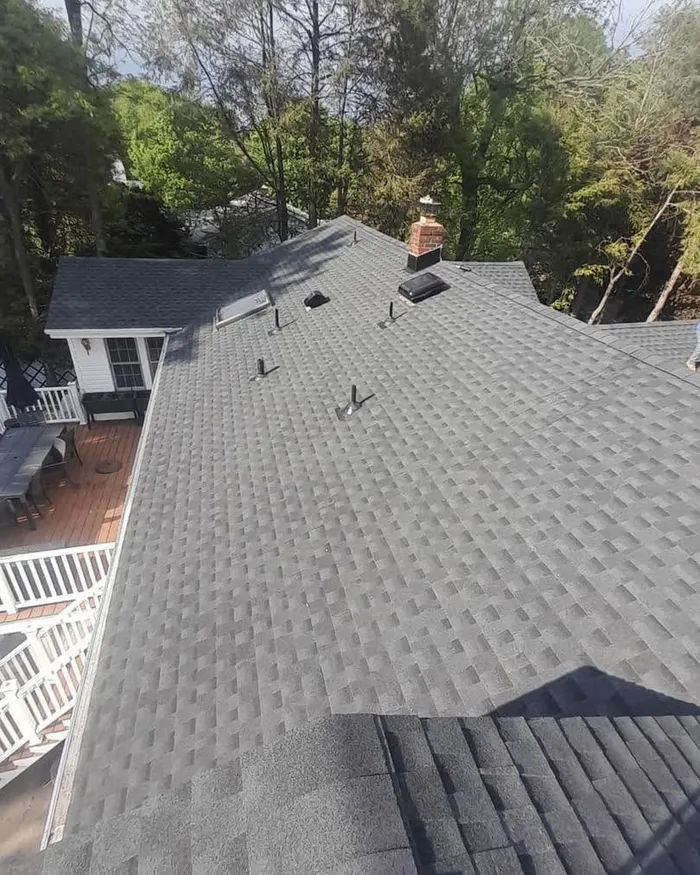
When choosing a color, look at the whole house, including siding, trim, brick, and your neighbors’ roofs. Lighter colors show less heat buildup; darker colors hide streaking. If you’re in a community with an HOA, check its rules first.
What’s under the shingles matters most
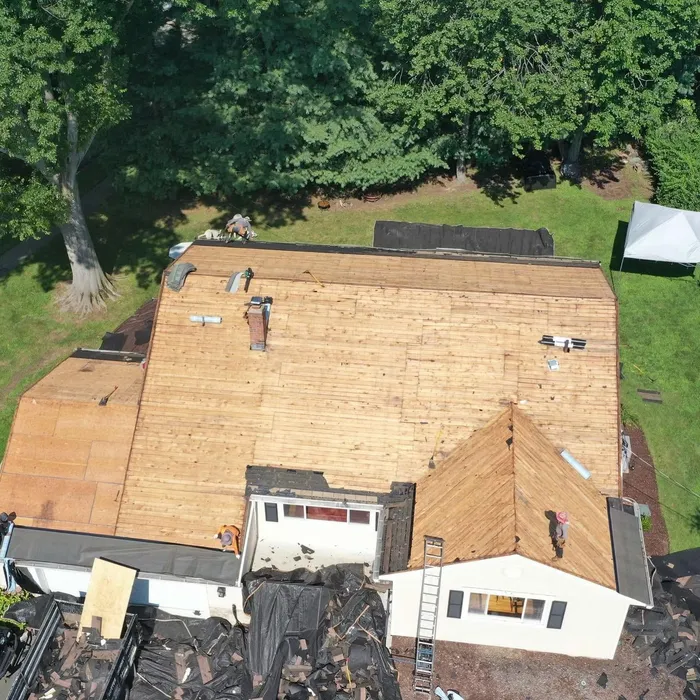
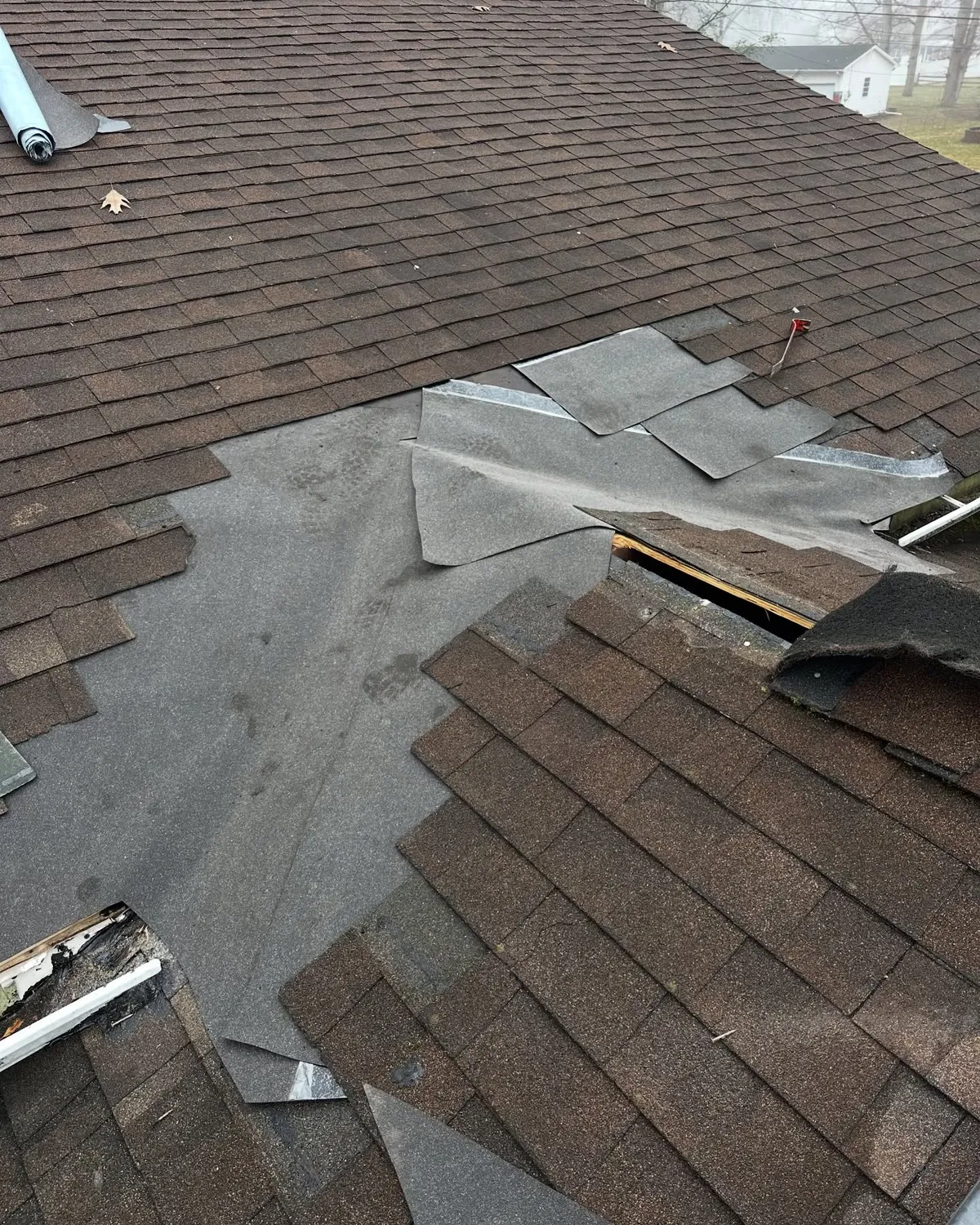
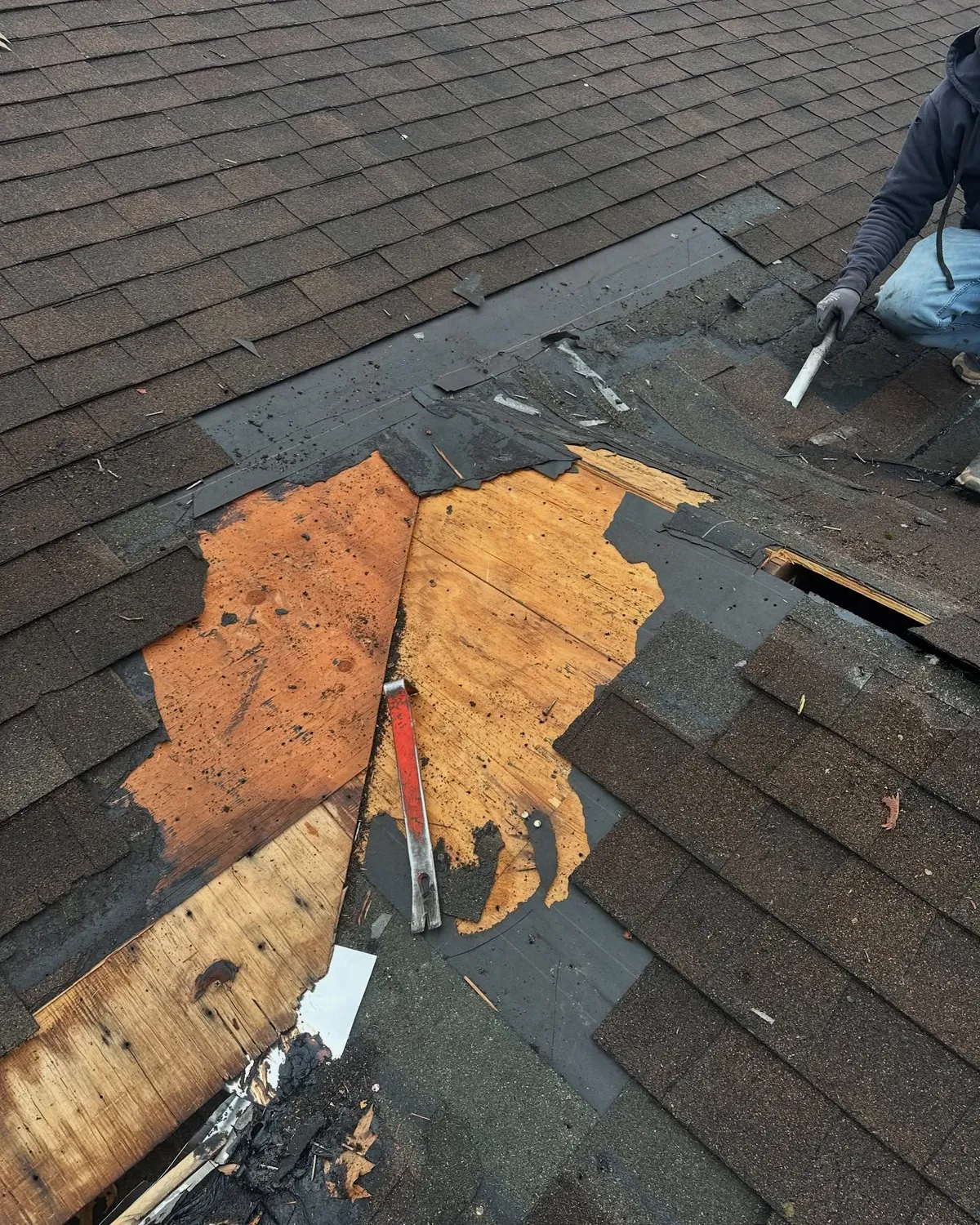
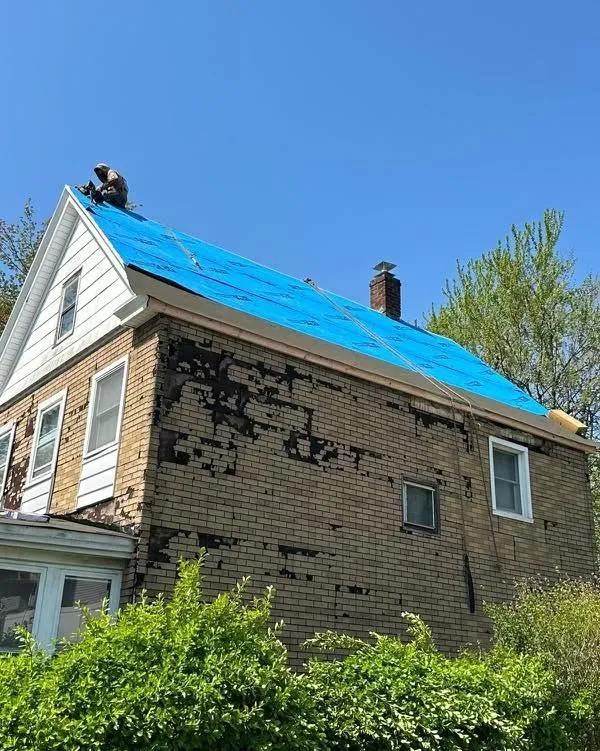
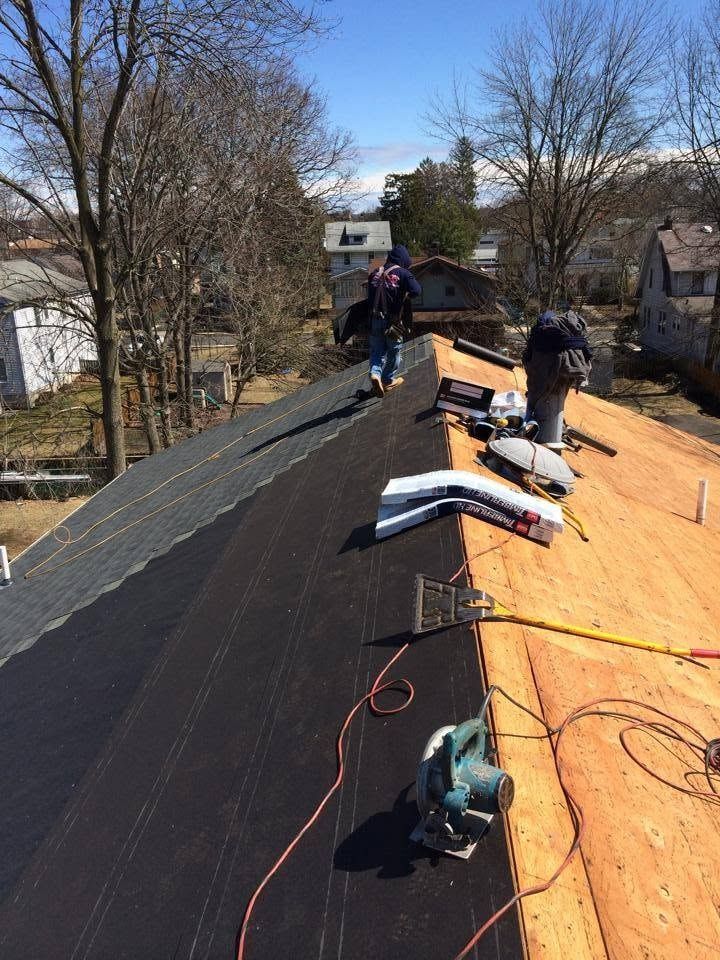
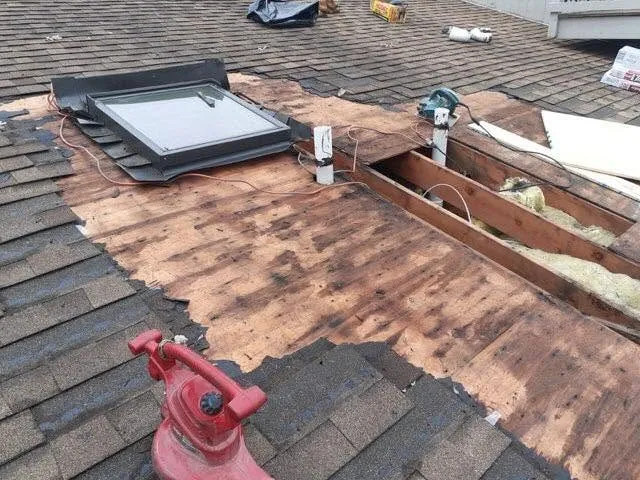
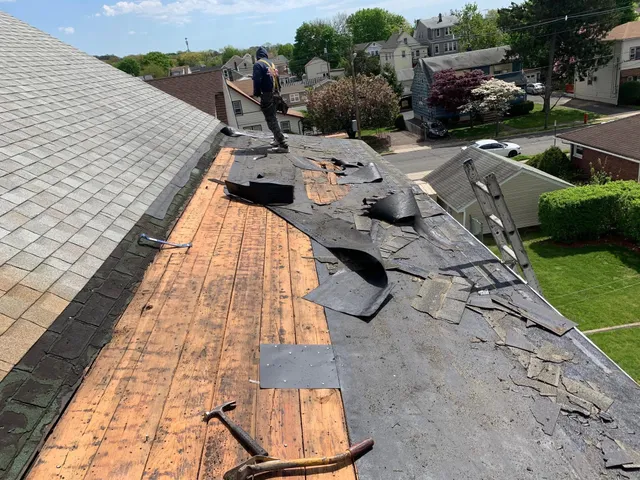
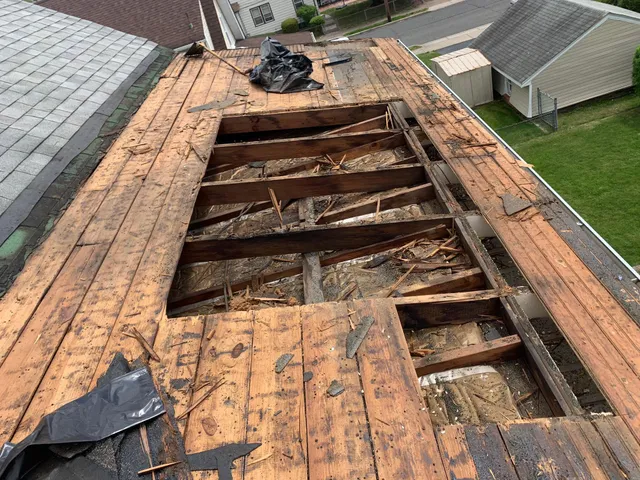
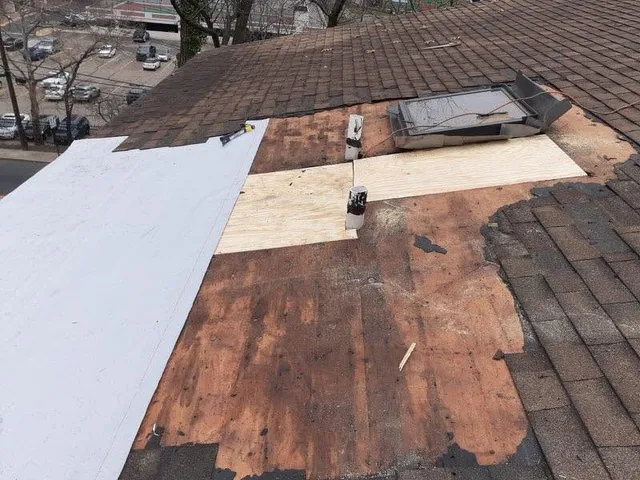
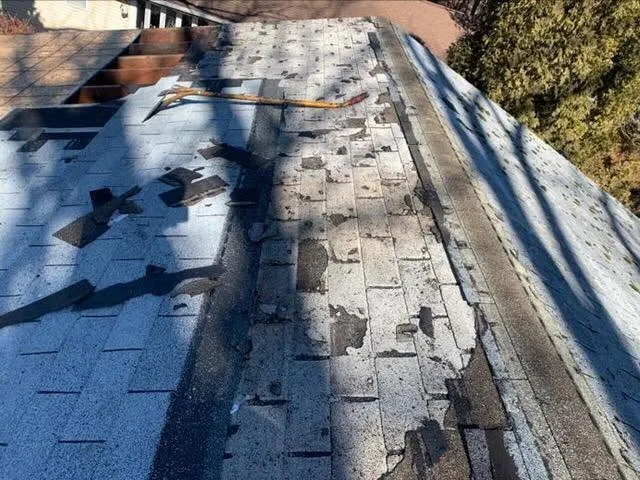
With the old roof torn off, the deck is finally visible. Older homes often have plank decking, and some boards may be rotted, gapped, or soft. Replacing damaged decking gives the new roof a solid, flat base. On top of the deck goes underlayment, and in cold-weather areas a self-adhering ice and water barrier is commonly used at the eaves and in valleys, where ice dams and heavy water flow cause the most trouble.
Don’t forget ventilation
A roof needs to breathe. Air should enter low at the eaves and exit high at the ridge. Poor ventilation traps summer heat that ages shingles faster and contributes to ice dams in winter. A replacement is the easiest time to add ridge vents or improve airflow.
What affects the price
Every roof is different. The biggest factors are:
- Roof size and steepness
- How many layers of old roofing need to come off
- How much decking needs to be replaced
- The material you choose
- Chimneys, skylights, dormers, and other details that need flashing
Getting ready for install day
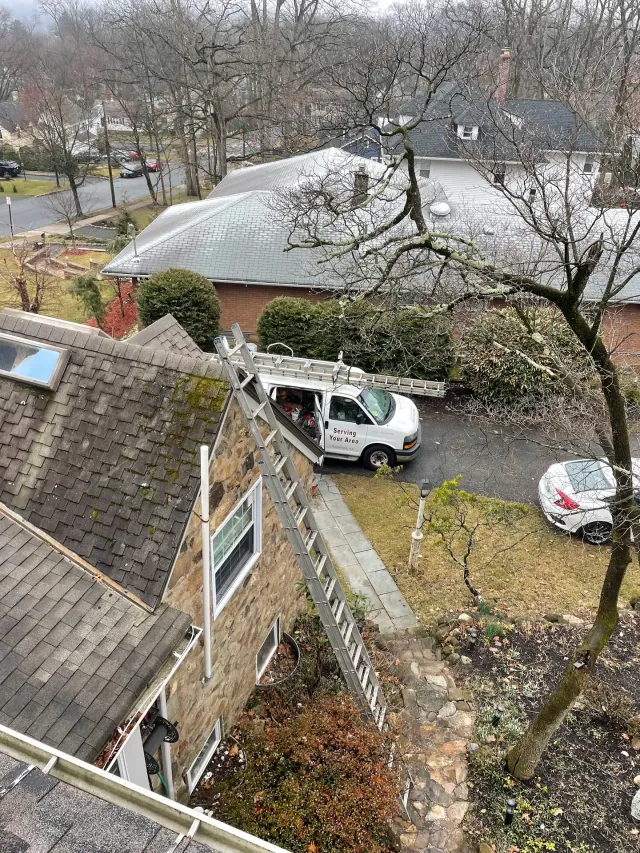
Tear-off is loud and dusty. Move cars out of the driveway, take fragile items off walls and shelves on the top floor, cover anything stored in the attic, and keep pets and kids inside or away from the work area. Mark sprinkler heads and anything in the yard you want protected. When the job is done, debris is hauled away and the site cleaned up.