Roof repair guide
Why roofs leak in New Jersey, and how to fix them for good
New Jersey roofs take a beating from every direction: winter freeze-thaw cycles, wind-driven rain from nor’easters, summer thunderstorms, and the trees that make so many of our neighborhoods green. Most leaks come from a handful of predictable places, and a good repair fixes the cause, not just the drip.
What New Jersey weather does to a roof
In winter, water gets into small gaps around flashing and nail holes, freezes overnight, and expands. Repeat that dozens of times a season and small openings become real leaks by spring. Nor’easters add another problem: rain driven sideways by strong wind can push water under shingles and flashing that would shed a normal storm just fine.
Homes in the colder, snowier northwest of the state, in Sussex, Warren, and higher parts of Morris, see more ice dams at the eaves. Near the Shore in Monmouth and Ocean, stronger winds and salt air are harder on shingle edges and metal flashing. Across Bergen, Essex, and Passaic, mature trees drop branches, clog gutters, and shade roofs so moss and moisture linger.
Where most leaks actually start
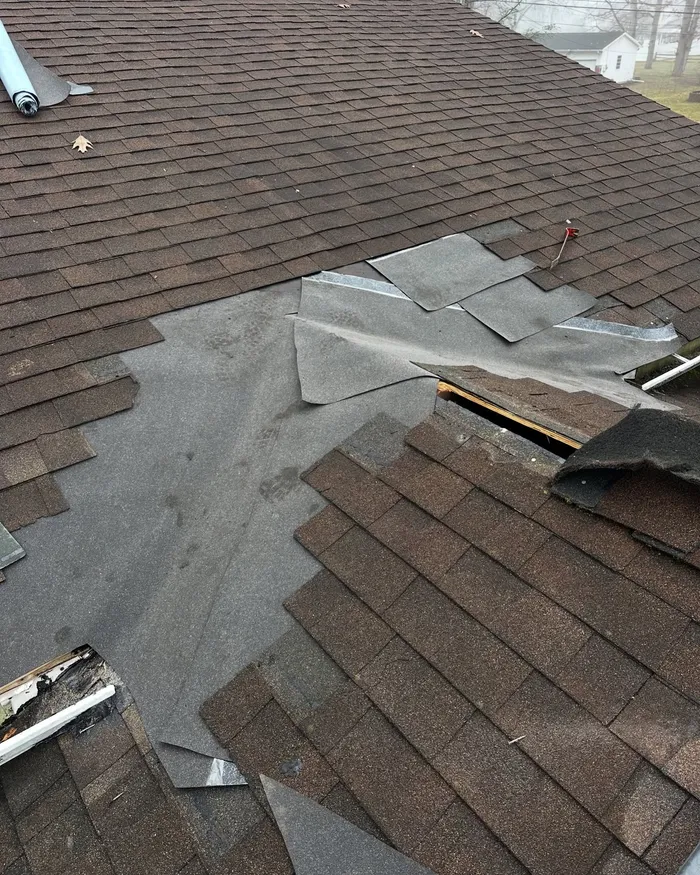
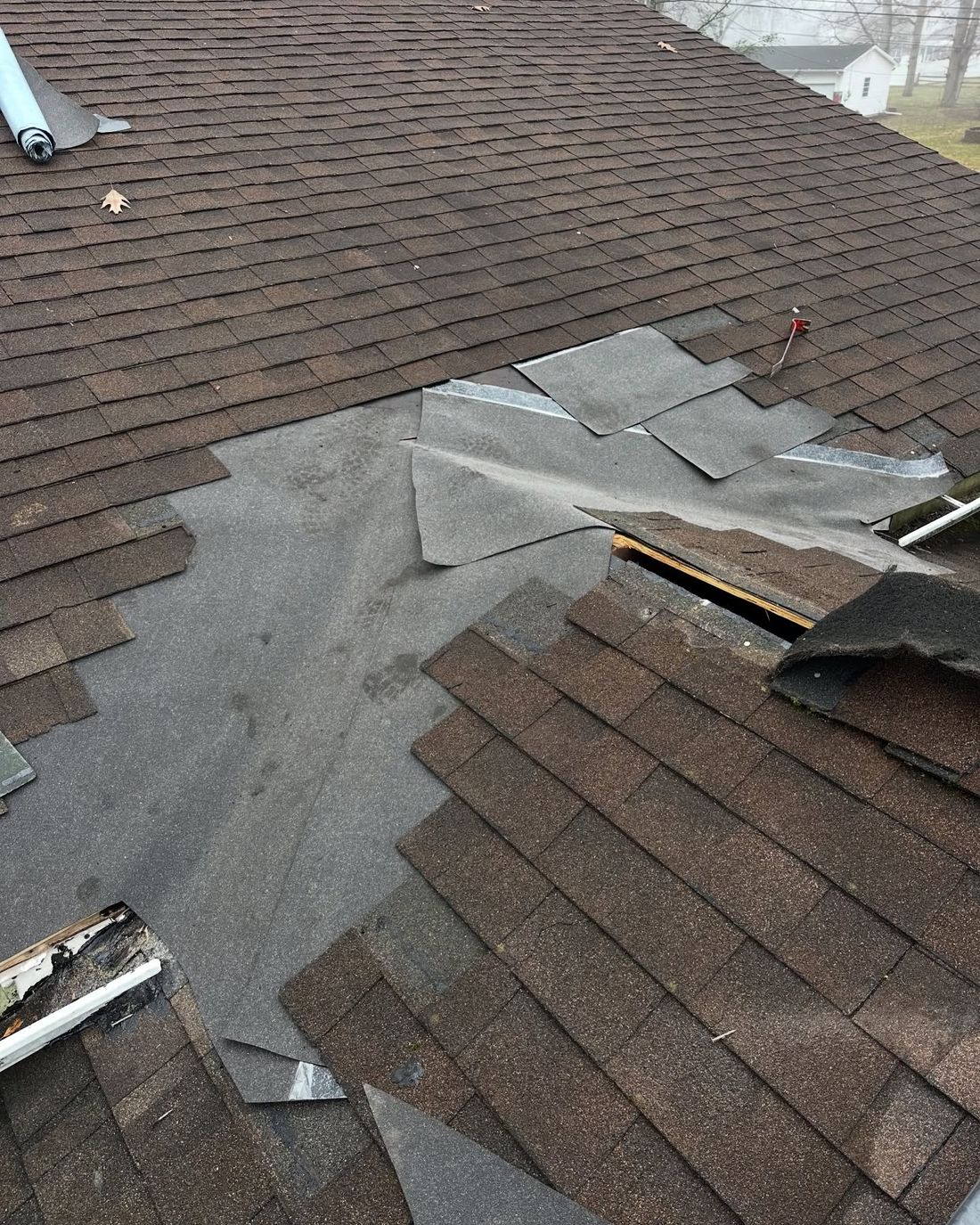
The middle of a healthy shingle field rarely leaks. Problems almost always begin where the roof changes direction or something passes through it:
- Flashing at walls, dormers, and skylights, where metal and sealant age out before the shingles do
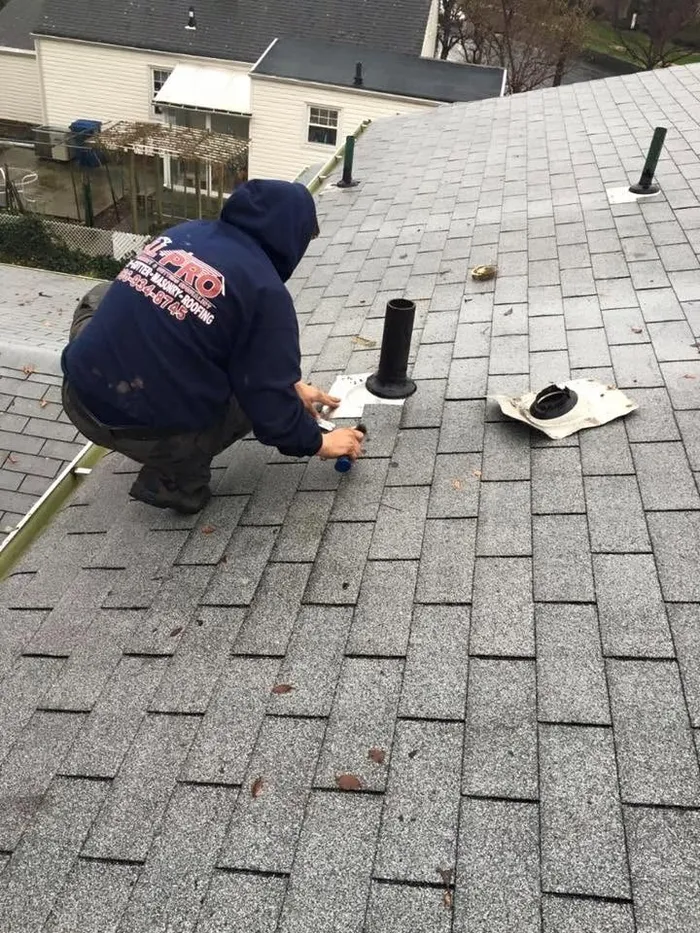
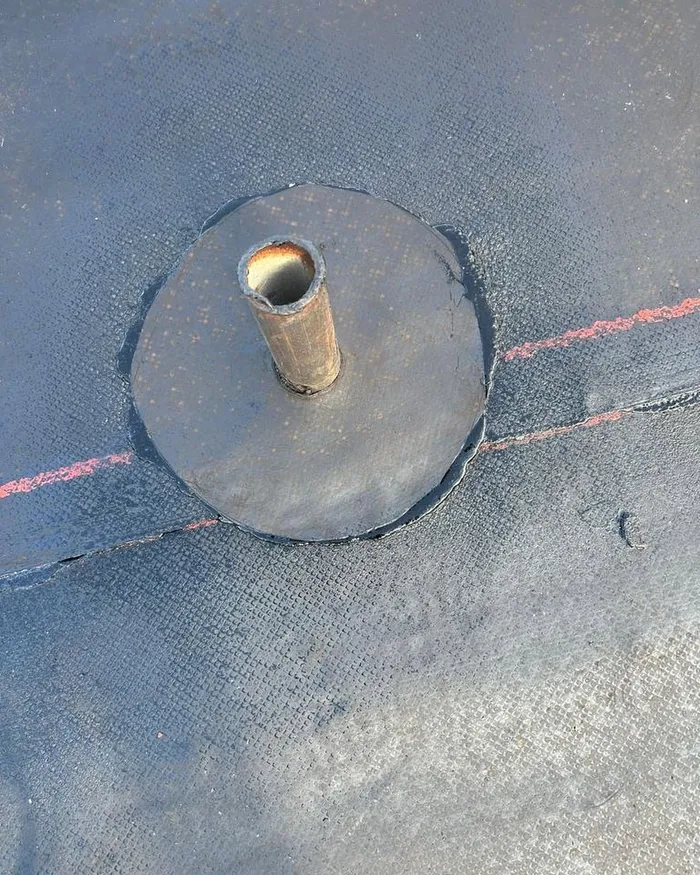
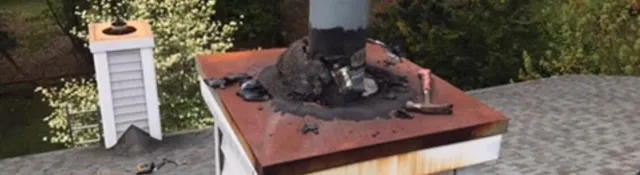
- Rubber pipe boots around plumbing vents, which crack in the sun after several years
- Valleys, where two roof slopes meet and carry the most water
- Roof edges and eaves, where wind lifts shingles and ice dams form
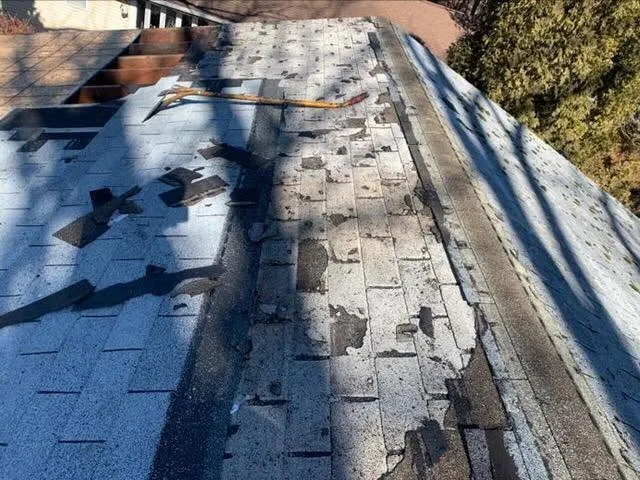
- Old repairs and patches that were sealed over instead of fixed
Older homes need a careful repair
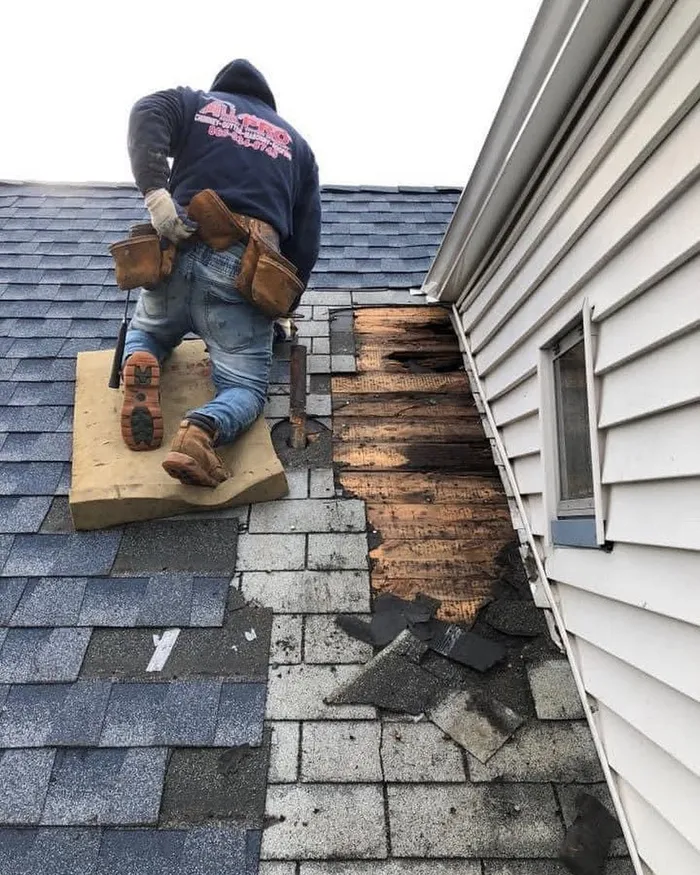
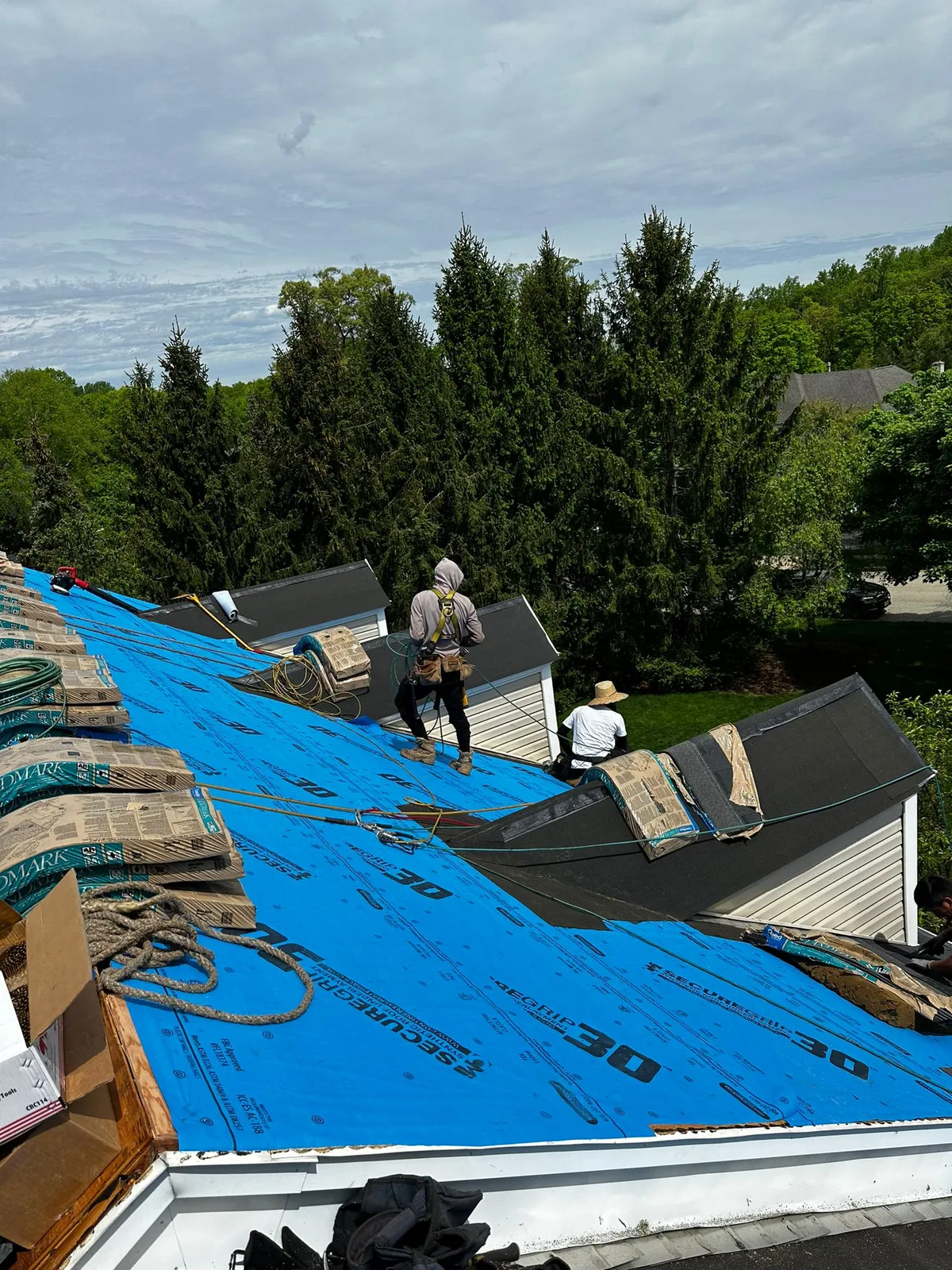
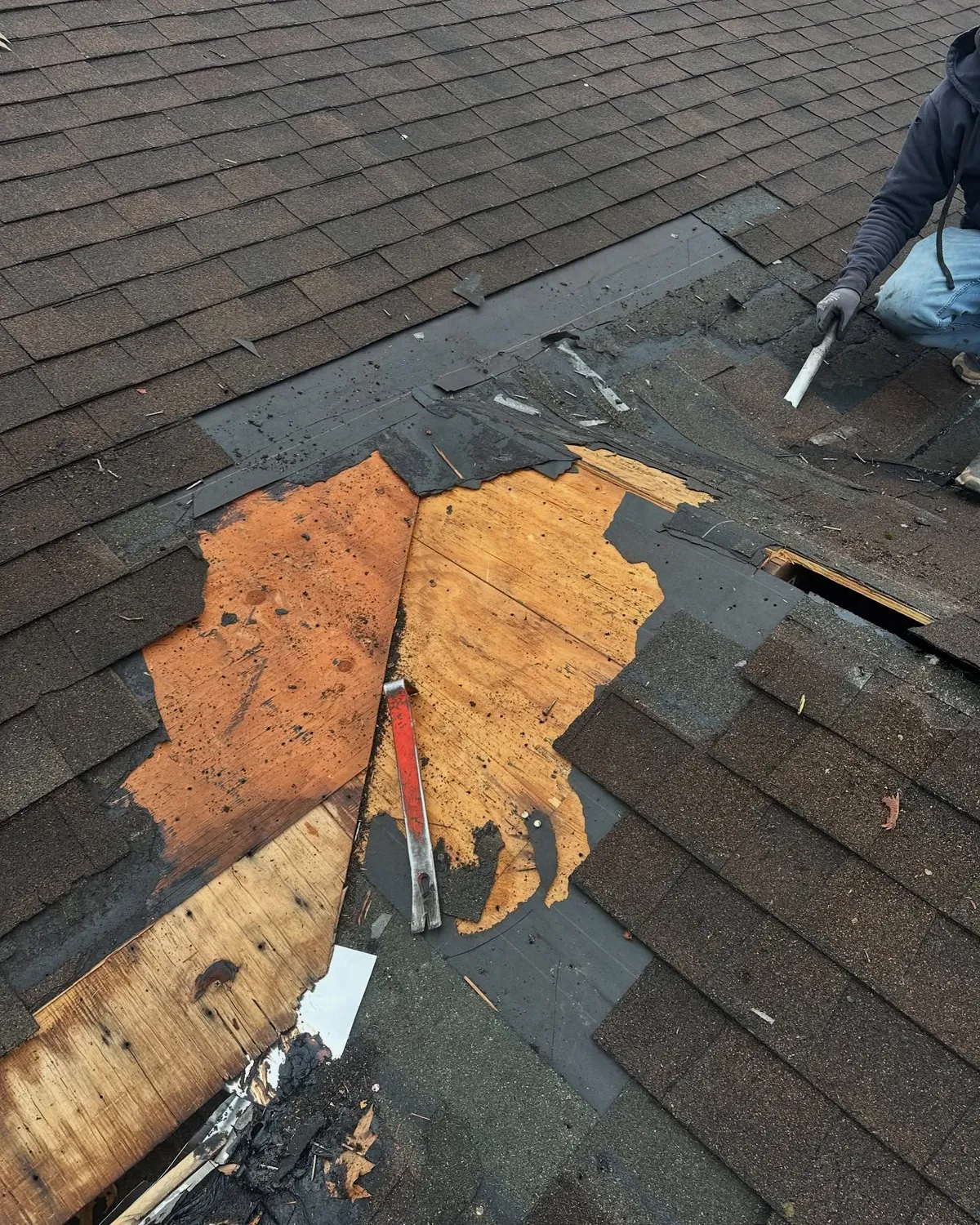
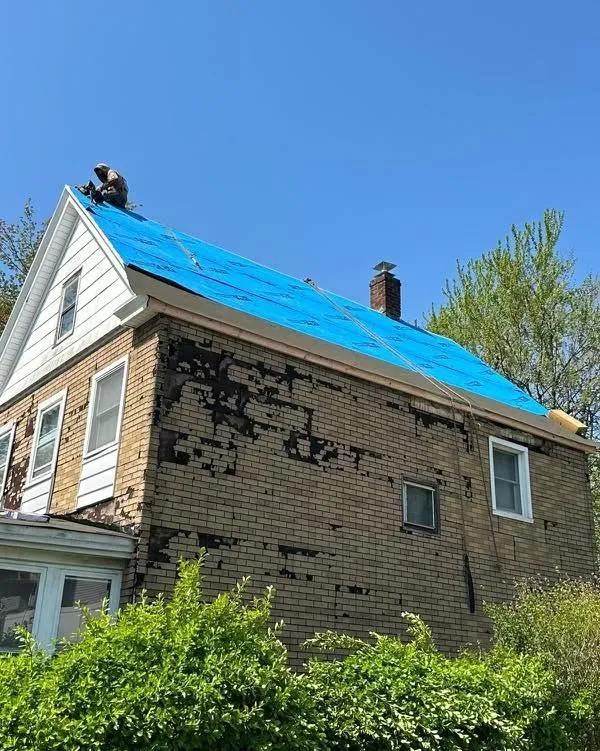
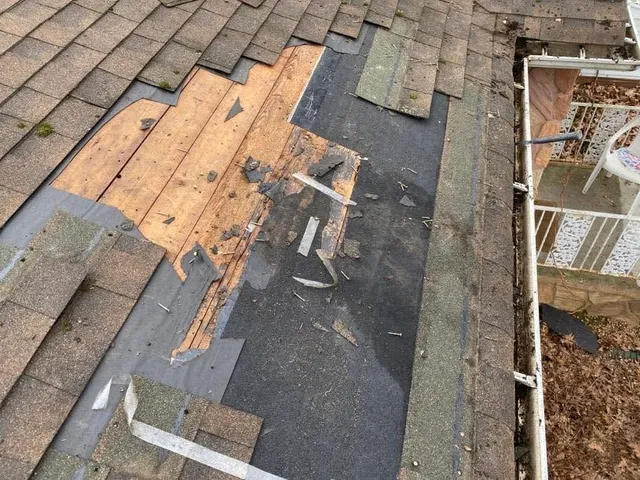
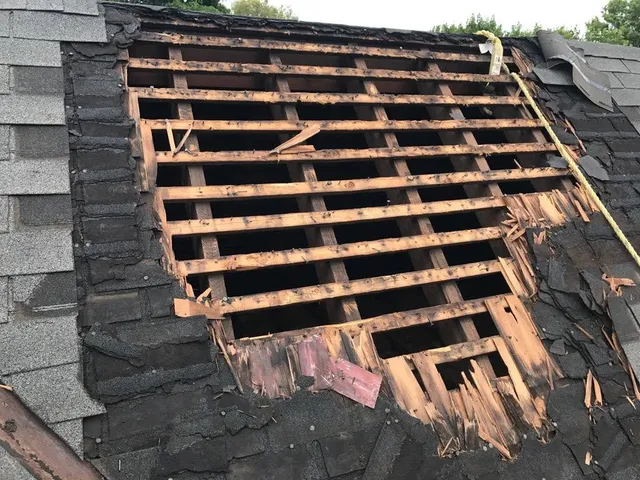
Many New Jersey homes were built long before plywood roof decking was common. Their roofs sit on wooden boards (plank decking), sometimes under two layers of shingles. That doesn’t mean the roof is bad, but it changes how a repair is done: the boards need to be checked for rot, and new shingles have to be woven into old ones without damaging what’s around them.
What makes a repair last
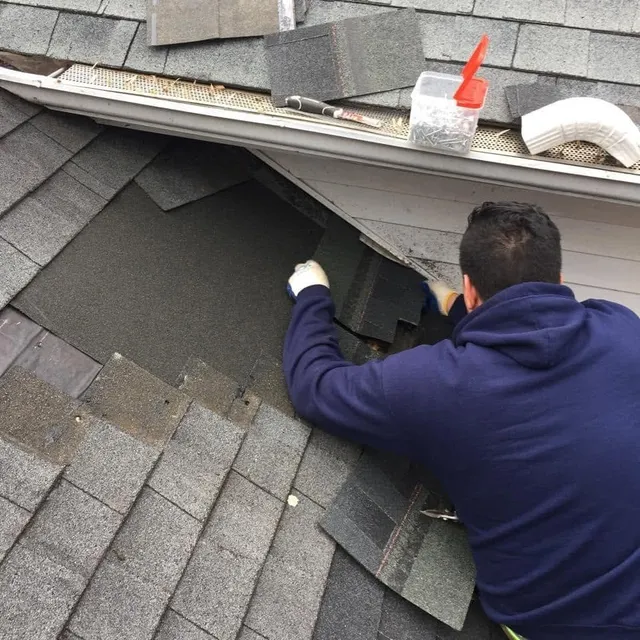
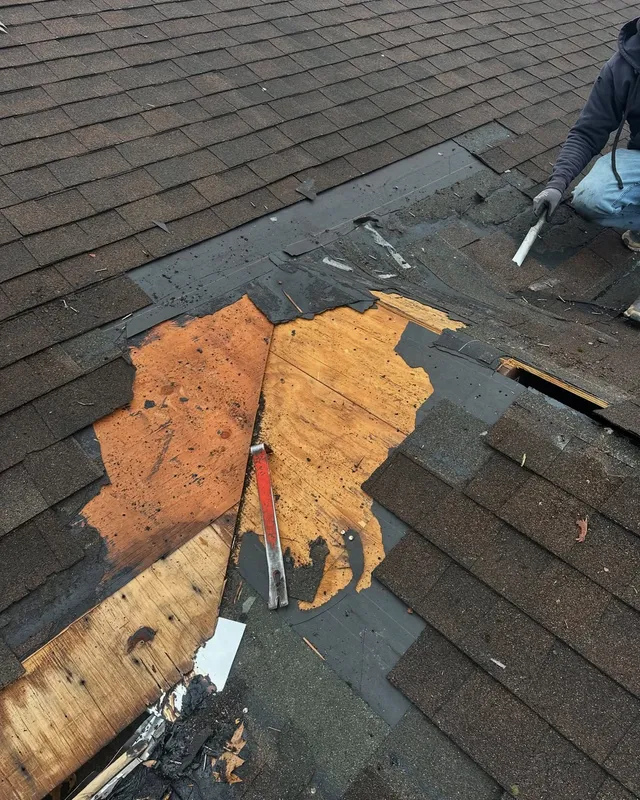
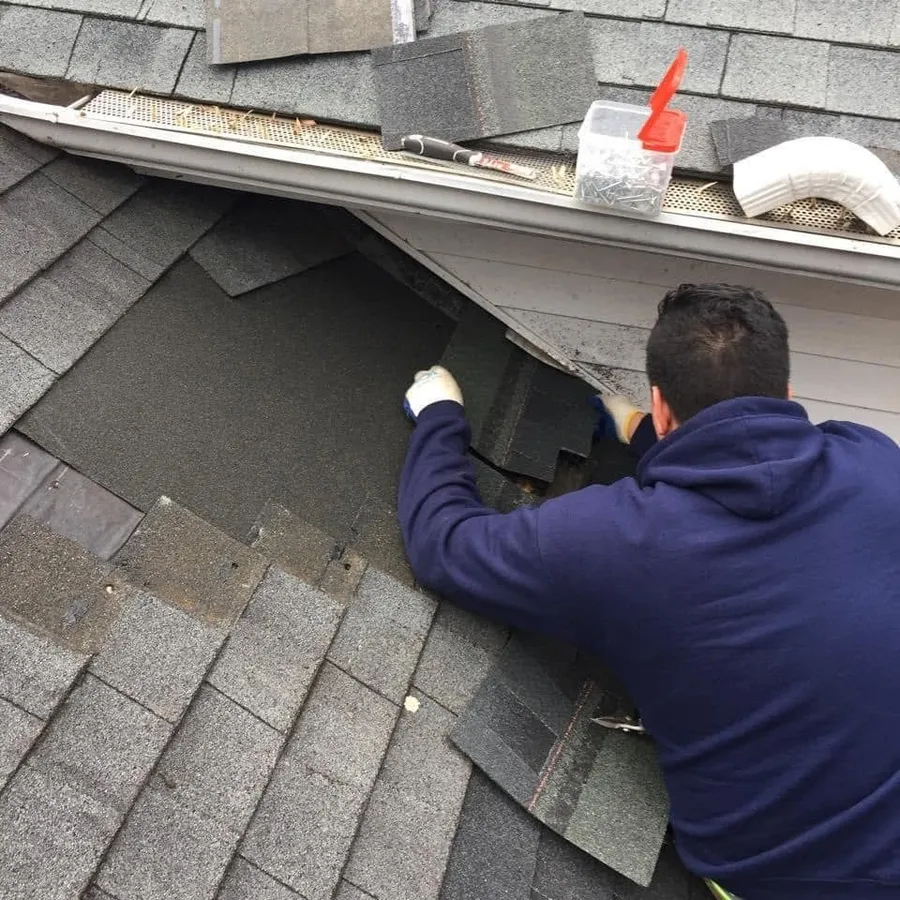
Caulk over a leak can stop a drip for a season. A lasting repair finds where the water enters, replaces damaged decking underneath, installs new flashing or pipe boots instead of resealing old ones, and blends new shingles into the surrounding roof. If poor attic ventilation is part of the problem, it should be addressed too, or the same spot will fail again.
And sometimes the honest answer is that a repair isn’t worth it. If the roof is near the end of its life, we’ll tell you, and show you why, before you spend money on patches.