Professional Chimney Cap Installation and Metal Roof Protection for Long-Lasting Performance
Professional Chimney Cap Installation for Better Roof Protection
Professional chimney cap installation plays an important role in protecting a property’s roofing system from moisture, debris, and environmental exposure. Chimneys, rooftop enclosures, and ventilation components are exposed to changing weather throughout the year. Rain, wind, sunlight, and temperature fluctuations can gradually affect metal surfaces, exterior joints, flashing, and surrounding roofing materials. Proper installation and regular maintenance help preserve these components and reduce the risk of preventable water damage.
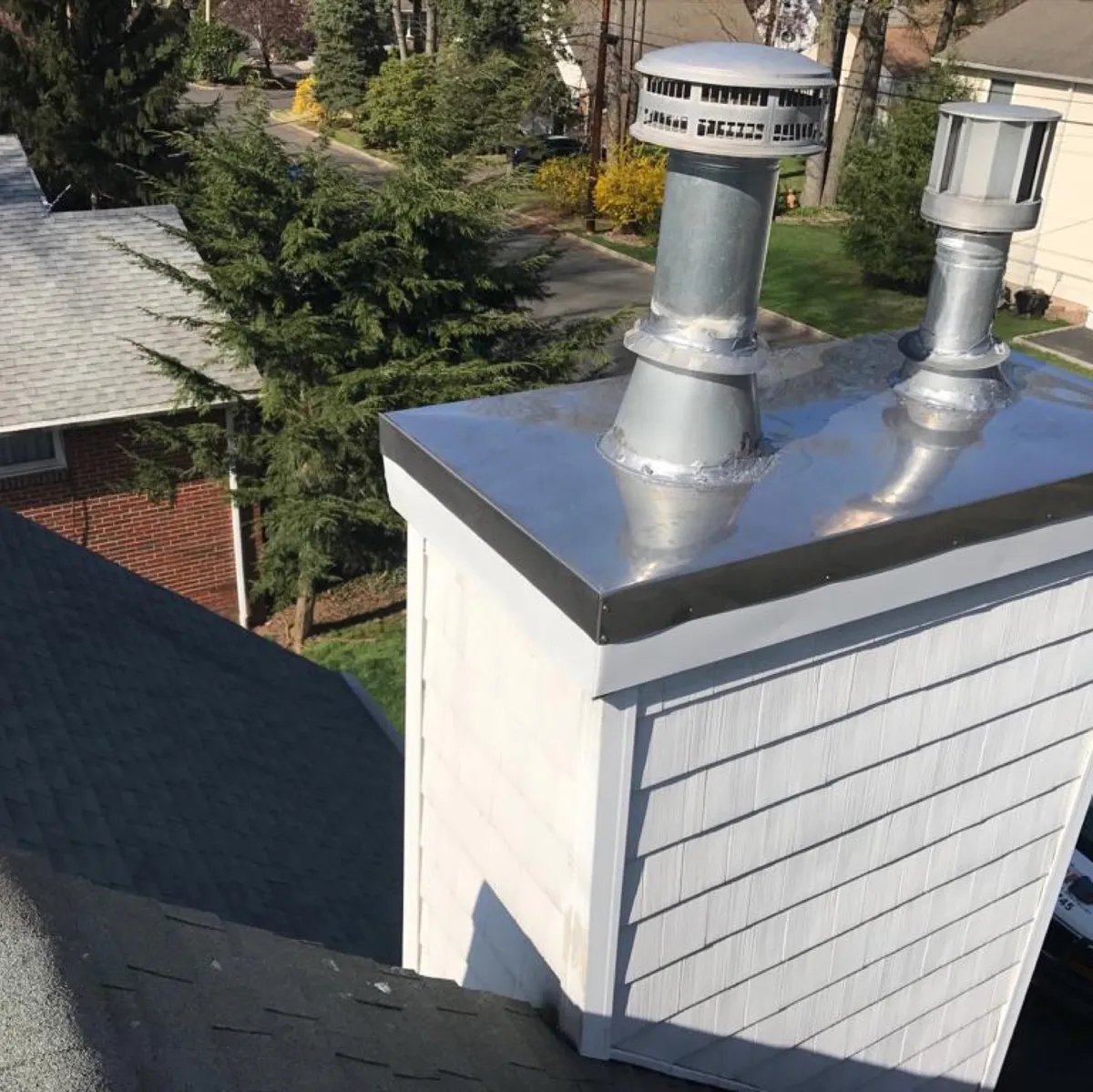
The roofing project shown in this photograph features a raised structure with white exterior siding, a reflective metal cover, and two cylindrical metal ventilation components. The surrounding roof is finished with dark asphalt shingles, creating a clean contrast between the roofing materials and the metalwork above. This type of rooftop arrangement illustrates why careful attention to metal covers, ventilation outlets, flashing details, and adjoining shingles is essential when maintaining a property’s exterior.
For homeowners, the visible appearance of a rooftop structure is only one part of its overall condition. The more important consideration is whether the individual components work together to direct water away from vulnerable areas and protect the building envelope. A properly fitted metal cover, suitable flashing, secure connections, and correctly maintained shingles all contribute to this objective.
ALL PRO Roof Repair & Installation understands the importance of evaluating roofing and chimney-related concerns as part of a complete exterior protection strategy. Every property has different construction details, and the correct solution depends on the existing materials, the function of the rooftop components, and the condition of the surrounding roof.
Understanding the Metal Chimney Cover and Rooftop Ventilation
The photograph shows a large reflective metal cover installed over a raised rooftop structure. Two cylindrical metal components extend above its surface, with each featuring a distinct upper termination. These components appear to serve ventilation or exhaust-related functions, although their exact purpose must be confirmed through an on-site inspection.
The metal cover provides a finished upper surface and helps protect the structure beneath it. Its edges, seams, and connections must be designed to manage rainwater effectively. If water is allowed to enter through poorly detailed joints, it may reach concealed areas and contribute to damage behind the exterior siding or within the supporting structure.
The cylindrical components require separate consideration because not all rooftop outlets serve the same purpose. A ventilation outlet that releases air from a building is different from a chimney flue that carries combustion gases. Their installation requirements, clearances, materials, and termination designs can vary significantly.
Identifying each component correctly is therefore essential before making changes or recommending replacement. A product that appears suitable from the outside may not be compatible with the system it serves. Professional assessment helps establish the appropriate approach and ensures that the function of each component is preserved.
The surrounding asphalt shingles also play an important role. Their purpose is to shed precipitation toward the roof’s intended drainage paths while protecting the underlying structure. Where the shingles meet the raised enclosure, the roofing assembly must be detailed carefully so that water cannot easily enter the connection.
Considering these elements together helps homeowners understand why rooftop maintenance should involve more than inspecting the most visible surface. Metalwork, ventilation, flashing, exterior cladding, and shingles must function as a coordinated system.
Why Professional Chimney Cap Installation Matters
Professional chimney cap installation can help protect a suitable chimney opening from direct precipitation and unwanted debris. Depending on its design, an appropriate cap may also help reduce the entry of leaves and animals while supporting the intended operation of the chimney.
The correct cap must match the chimney’s construction, dimensions, and intended use. A cap designed for a masonry fireplace may have different requirements from a termination component manufactured for a metal chimney or a fuel-burning appliance. The selection process should account for the manufacturer’s instructions, applicable safety requirements, and the existing configuration.
Water entering an inadequately protected chimney can contribute to deterioration of masonry, mortar joints, internal components, and nearby finishes. In some situations, moisture may combine with deposits inside a chimney and accelerate deterioration. Preventing unnecessary water entry is therefore an important part of maintaining a chimney system.
However, a chimney cap is not a complete solution for every moisture problem. The chimney crown, flashing, masonry, liner, and surrounding roof may also require inspection. If water is entering through damaged flashing or deteriorated masonry, installing a new cap alone may not correct the problem.
A professional assessment helps determine whether the chimney needs a new cap, a localized repair, improved flashing, or additional work. Recommendations should be based on the actual condition of the structure rather than appearance alone.
When the appropriate component is selected and installed correctly, it can contribute to better protection and reliable operation. Combining suitable materials with proper installation practices helps homeowners make a more informed investment in the long-term condition of their property.
Inspecting the Roof Before Beginning Chimney or Metalwork Repairs
A thorough inspection is an important first step in any chimney or rooftop repair project. Before recommending materials or installation methods, a roofing professional should evaluate the visible condition of the metal cover, the ventilation components, the exterior siding, and the adjoining shingles.
The inspection should look for signs such as corrosion, loose fasteners, separated seams, damaged metal edges, deteriorated sealant, or visible staining. These conditions may indicate that further investigation is needed, but they do not automatically establish the source of a leak. The contractor should determine whether the concern is limited to one component or involves several connected areas.
The surrounding roof should also be assessed for cracked or displaced shingles, damaged flashing, deteriorated roof edges, and other visible concerns. Water can travel beneath roofing materials or along concealed surfaces before appearing inside the property. Consequently, the location of an interior water stain does not always identify the exact point where moisture entered.
An inspection should also consider the relationship between the metal cover and the vertical walls beneath it. If the upper cover is not directing water away effectively, or if a connection between the cover and the siding has deteriorated, moisture may reach concealed materials.
Where the rooftop components serve a fireplace, stove, or other fuel-burning appliance, additional evaluation may be necessary to confirm that the chimney or exhaust system remains suitable for operation. This work should be performed by appropriately qualified professionals.
A careful assessment gives property owners a clearer understanding of the work required. It also helps distinguish between a repair that addresses a specific defect and a larger project needed to restore the performance of multiple components.
Selecting Durable Metal Materials for Rooftop Protection
Metal covers and ventilation components must be suitable for outdoor exposure and compatible with the surrounding construction. The reflective metal surface in the photograph creates a clean, defined finish, but durability depends on more than appearance.
Common materials used in exterior metal applications include galvanized steel, aluminum, and stainless steel. Each has different characteristics involving corrosion resistance, strength, weight, fabrication, and maintenance requirements. The appropriate material depends on the size and design of the component, its exposure conditions, and the manufacturer’s specifications.
Material compatibility is particularly important where different metals come into contact. Under certain conditions, dissimilar metals can contribute to galvanic corrosion. Fasteners, brackets, flashing, and the main cover should therefore be selected with the complete assembly in mind.
The thickness and rigidity of a metal cover also influence its performance. A cover must be suitable for its dimensions and exposure so that it can maintain its intended shape and remain securely attached. Edges should be properly finished, seams should be appropriately detailed, and connections should be designed to manage water.
The finish should withstand the conditions for which the product is intended. Routine inspection can help identify scratches, corrosion, loose fasteners, or other deterioration before it becomes more extensive.
When an existing cover shows signs of damage, replacement is not always the only option. Depending on the findings, appropriate work may involve repairing a localized section, securing loose components, correcting a connection, or replacing the complete cover. The best approach depends on the severity of the problem and the expected performance of the existing assembly.
Choosing suitable materials and installing them correctly helps create a rooftop structure that combines a neat appearance with dependable weather protection.
Flashing and Waterproofing Around Roof Penetrations
Flashing is one of the most important elements of a roofing system because it protects transitions where water could otherwise enter the building. These locations include chimney bases, ventilation penetrations, roof-to-wall connections, valleys, and other changes in surface direction.
The correct flashing design depends on the roof slope, the type of penetration, the materials being joined, and the manufacturer’s installation requirements. Metal flashing may be formed to direct water away from vulnerable joints, while other applications may require compatible flexible materials or a combination of approved components.
The two cylindrical outlets visible in the photograph pass through a reflective metal surface. Their bases and surrounding connections are therefore important areas to examine during an inspection. The photograph does not establish whether these connections require repair, so their condition should be verified before any work is recommended.
Sealant can serve a useful purpose in designated locations, but it should not be treated as a universal substitute for properly designed flashing. Applying additional sealant over a poorly configured joint may temporarily conceal a problem without correcting the underlying water-entry pathway.
The relationship between the metal cover and the adjoining shingles deserves equal attention. Water should move away from the raised structure and follow the intended drainage route without entering beneath the roofing materials. If the shingles or flashing around the structure have deteriorated, repairs may be necessary to restore effective water management.
Proper waterproofing involves understanding how each material connects with the next. When these transitions are carefully detailed, the roofing assembly is better equipped to resist moisture intrusion and maintain its intended performance.
Protecting the Asphalt Shingles Around the Rooftop Structure
The dark asphalt shingles surrounding the raised structure form an important part of the property’s exterior protection. Although shingles are designed to shed rainwater, their performance depends on correct installation, suitable fastening, appropriate underlayment, and properly finished transitions.
During an inspection, a roofing professional should look for lifted or missing shingles, cracked surfaces, excessive granule loss, damaged edges, and signs of previous repairs. The areas where the shingles meet the raised enclosure deserve particular attention because these connections may include flashing and other details that are not fully visible from the ground.
If a homeowner reports a leak near the structure, the investigation should extend beyond the nearest visible shingle. Moisture may travel beneath the roofing surface or along concealed framing before becoming visible inside the building. Identifying the source helps ensure that the repair addresses the actual problem rather than only the area where the damage appears.
Depending on the condition of the roof, the appropriate work may involve replacing damaged shingles, correcting flashing, repairing the metal cover, or assessing a broader section of the roofing system. A localized repair may be sufficient when the surrounding materials remain in good condition.
Property owners should avoid walking on steep or potentially fragile roofing surfaces themselves. A qualified roofing professional can evaluate accessible areas using suitable equipment and appropriate safety procedures.
Maintaining the shingles around rooftop structures is essential because even a relatively small defect can allow water to reach concealed materials. Regular inspection and timely repairs help preserve the performance of the roof and reduce the likelihood of more extensive damage.
Managing Rainwater and Preventing Moisture Damage
Effective drainage is essential for protecting metal covers, exterior siding, and surrounding roofing materials. Rainwater should flow away from the structure without collecting around seams, penetrations, or vulnerable edges.
A properly designed cover uses its shape and edge details to direct water toward suitable discharge points. If water repeatedly collects on the surface, or if staining appears around joints, the condition should be investigated to determine whether the design, installation, or maintenance requires attention.
Moisture can affect more than the visible exterior. If water enters concealed spaces, it may contribute to deterioration of wood-based materials, insulation, interior finishes, or other components. The extent of any damage depends on the duration of exposure, the materials involved, and the conditions within the affected area.
Seasonal weather can place additional demands on rooftop assemblies. Temperature changes may cause materials to expand and contract, while wind-driven rain can expose weaknesses in inadequately protected joints. Debris may also interfere with drainage or accumulate around roof features.
Maintenance should focus on the actual source of a problem. Repeatedly applying sealant without investigating why moisture is entering may not provide a dependable long-term solution. A professional assessment can determine whether the issue requires improved flashing, repair of the cover, replacement of damaged materials, or another corrective measure.
By maintaining suitable drainage and addressing developing defects promptly, homeowners can help protect the roof and the materials beneath it.
Safe and Professional Rooftop Installation Practices
Roofing and chimney work involves risks associated with elevated surfaces, tools, materials, and changing weather conditions. A professional project should include appropriate planning, safe access, suitable protective equipment, and work procedures that reflect the conditions at the property.
Metal covers, ventilation components, and roofing materials must be handled carefully to reduce the possibility of injury or damage. Sharp metal edges can create additional hazards during fabrication and installation, while loose tools and packaging can obstruct access routes or fall from the roof.
Weather conditions should also be considered. Wet surfaces, strong winds, ice, and poor visibility may make rooftop work unsafe. Contractors should follow appropriate safety procedures and postpone tasks when conditions are unsuitable.
Property owners can review general information about fall protection through the Occupational Safety and Health Administration at https://www.osha.gov/fall-protection. This resource provides useful background on managing fall hazards in construction and related work.
Safety is only one part of professional workmanship, but it is an essential one. Careful organization, appropriate equipment, and clear communication help support a more controlled project from inspection through completion.
Routine Maintenance for Long-Term Chimney and Roof Performance
Regular maintenance helps property owners identify changes in the condition of rooftop components before they lead to more extensive problems. The appropriate inspection schedule depends on the building’s exposure, the age and type of roofing materials, nearby vegetation, and the manufacturer’s recommendations.
Visible corrosion, loose metal edges, deteriorated joints, damaged shingles, and recurring water stains should be assessed when they appear. After severe weather, a qualified professional may be able to identify visible damage and recommend further investigation where necessary.
Homeowners should also pay attention to interior warning signs. Water stains on ceilings, damp areas near a rooftop enclosure, peeling paint, or unexplained moisture may indicate a problem with the roof or another part of the building envelope. These signs do not automatically mean that the chimney cap is defective, but they should not be ignored.
Where a chimney serves a fireplace or fuel-burning appliance, maintenance may need to include inspection of the flue, liner, and related components by a qualified chimney professional. Ventilation outlets must also remain appropriate for the systems they serve and should not be blocked or altered without confirming the requirements.
Keeping records of inspections, repairs, product information, and warranties can help property owners understand the history of their roofing system. These records may also be useful when planning future maintenance or evaluating whether a component should be repaired or replaced.
A consistent maintenance approach helps preserve the appearance and function of the roof while supporting informed decisions about its long-term care.
Choosing ALL PRO Roof Repair & Installation
Selecting a roofing contractor is an important decision because the quality of the assessment and installation can influence the performance of the building’s exterior protection. Property owners should look for clear communication, a defined scope of work, suitable materials, and recommendations based on the actual condition of the structure.
A professional assessment should explain the difference between visible symptoms and confirmed problems. For example, a water stain near a rooftop enclosure may result from flashing, a metal seam, damaged shingles, or another source. Identifying the cause before selecting a repair helps prevent unnecessary work and recurring issues.
Homeowners should also understand which materials are proposed, how the work will be completed, what areas are included, and whether any additional concerns may require separate attention. Warranty terms and applicable requirements should be discussed before work begins.
ALL PRO Roof Repair & Installation provides roofing-related services and can help property owners discuss roof repairs, roof replacement, and chimney-related concerns. The appropriate service depends on the property’s construction, the observed condition, and the owner’s goals.
For more information, visit https://allprosnj.com/ to explore the company’s services and arrange an inquiry. A clear assessment helps establish realistic expectations and provides a practical starting point for protecting the roof and its associated components.
Conclusion: Invest in Professional Chimney and Roof Protection
The rooftop structure shown in the photograph illustrates how metal covers, ventilation components, exterior siding, and asphalt shingles work together to protect a building. Each element serves a particular purpose, and the overall assembly performs best when materials are compatible, connections are correctly detailed, and maintenance is carried out when necessary.
Professional chimney cap installation, where appropriate for the actual chimney system, can help limit precipitation and debris entering the opening. Sound flashing, effective drainage, suitable metalwork, and properly maintained shingles provide additional layers of protection.
No single component can eliminate every possible source of water intrusion. Reliable performance depends on identifying the system correctly, selecting suitable materials, completing the work according to the relevant requirements, and investigating potential defects rather than relying on temporary surface fixes.
ALL PRO Roof Repair & Installation can help property owners evaluate roofing concerns and determine appropriate next steps based on the condition of their property. Investing in professional assessment, careful workmanship, and ongoing maintenance helps preserve the building’s exterior appearance and supports long-term weather protection.
To learn more about roofing and chimney-related services, visit https://allprosnj.com/ and discuss your property’s needs with the company. Taking a proactive approach to roof and chimney maintenance can help homeowners protect their investment and make informed decisions about repairs and future improvements.