Tile Roof Repair: 7 Powerful Tips to Protect Your Roof
Tile roof repair NJ homeowners put off today can turn into water damage, rotted decking, and a very expensive restoration tomorrow. Clay and ceramic tile roofs are among the most beautiful and long-lasting roofing systems in the world. But they are not maintenance-free, and New Jersey weather tests them every year with freezing winters, heavy snow, driving rain, and humid summers.
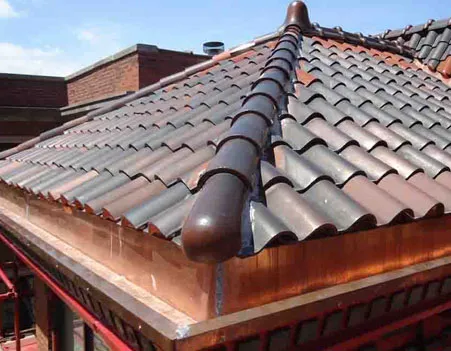
The photograph above shows a classic example: a clay barrel tile roof with a bold, rounded ridge cap and a built-in copper gutter running along the edge. It is an elegant system, and it is also a complex one. Every tile overlaps the next, every ridge depends on proper mortar or fasteners, and every copper joint has to stay watertight.
In this guide, the team at ALL PRO Roof Repair & Installation explains how to recognize problems early, how professional repairs are done, what affects cost, and how to choose a contractor who truly understands tile and copper work.
Table of Contents
- What the Photo Shows About This Roof
- Why Tile Roofs in New Jersey Need Special Care
- 7 Warning Signs You Need Tile Roof Repair NJ Pros
- Copper Gutters and Flashing: The Hidden Protectors
- Repair or Replace? Making the Right Call
- How Professional Tile Roof Repair NJ Projects Work
- What Affects the Cost of Tile Roof Repair NJ Owners Pay
- How to Choose a Tile Roofing Contractor
- Seasonal Maintenance Checklist
- Frequently Asked Questions
- Final Thoughts
What the Photo Shows About This Roof
A roof inspection starts with observation, so let’s look closely at the image.
The tiles. This is a barrel (Spanish or Mission style) tile roof. The curved, interlocking tiles are arranged in alternating rows and finished in a blend of warm terracotta and dark gray-brown. Tile like this is valued for its longevity, its fire resistance, and its architectural character.
The ridge cap. A thick, rounded cap runs up the hip of the roof and ends in a decorative finial at the peak. Ridge and hip caps are the most exposed part of any tile roof. They take the harshest wind and sun, and their mortar or fasteners are usually the first components to wear out.
The copper gutter. Along the roof edge, a wide copper box gutter collects runoff. Copper develops a natural patina over the years, resists corrosion, and can last for generations when it is properly installed and sealed.
The edge details. The point where tile meets the metal gutter is a critical transition. Cracked sealant, shifted tiles, or lifted flashing here allow water to bypass the system entirely.
Nothing in this photo suggests a failing roof. It does show what a premium roof looks like, and why roofs like this deserve regular care from specialists in tile roof repair NJ property owners can trust.
Why Tile Roofs in New Jersey Need Special Care
Tile has a reputation for being nearly indestructible, but the reality is more nuanced. The tiles themselves can last fifty years or longer. The components around them often do not.
Freeze-thaw cycles. Water absorbed into small cracks freezes, expands, and splits the tile or breaks mortar bonds. Over several winters, minor hairline cracks become real leaks.
Snow and ice. Ice dams at the eaves push meltwater under tiles and into the roof structure, especially where gutters are blocked.
Wind and storms. Strong gusts can shift tiles, loosen ridge caps, and drive rain sideways under overlaps.
Weight and foot traffic. Tile is heavy but brittle. Walking on it incorrectly cracks tiles. A broken tile is often the result of a well-meaning gutter cleaner, satellite installer, or untrained roofer.
Underlayment aging. The most overlooked fact about tile roofing is that the tile is only the outer shield. The underlayment beneath it is the true waterproof layer, and it typically wears out before the tile does.
Because of these factors, tile roof repair NJ work is never just about swapping a broken piece. It is about understanding the entire system.
7 Warning Signs You Need Tile Roof Repair NJ Pros
Catching problems early is the best way to protect your budget. Watch for these seven red flags.
1. Cracked or Broken Tiles
Hairline cracks and chipped corners are easy to miss from the ground. Fallen pieces in the yard or on a lower roof are a clear sign. A single cracked tile can let water reach the underlayment, so prompt tile roof repair NJ service is worth the call.
2. Slipped or Shifted Tiles
Tiles that have moved out of alignment leave gaps in the pattern. You may notice uneven rows or small dark openings. Slippage often means fasteners have failed or the underlayment beneath has deteriorated.
3. Crumbling Ridge and Hip Mortar
Look at the ridge line. If mortar is cracked, missing, or falling out in chunks, the caps are no longer securely bonded. This is one of the most common reasons homeowners need tile roof repair NJ contractors after a harsh winter.
4. Water Stains Inside the Home
Brown rings on ceilings, bubbling paint, or a musty attic smell all indicate an active leak. With tile roofs, the water often travels along the underlayment before it shows up inside, so the stain can be far from the actual entry point.
5. Damaged or Leaking Gutters
Sagging gutters, standing water, seams that weep, or overflow during rain mean the drainage system is failing. On a built-in or box gutter like the one in the photo, even a small leak can saturate the roof edge and fascia.
6. Failed Flashing and Sealant
Flashing seals the joints around walls, chimneys, valleys, and gutters. Gaps, lifted edges, or dried sealant allow water to slip behind the tile. Flashing problems are among the leading causes of hidden roof leaks.
7. Moss, Algae, and Heavy Debris
Green or black growth traps moisture against the tile and encourages freeze damage. Leaves and branches trapped in valleys or gutters block drainage and force water sideways under the tile.
If you notice even one of these signs, schedule an inspection. A small repair now almost always costs a fraction of a major repair later.
Copper Gutters and Flashing: The Hidden Protectors
The copper gutter in the photo is not just decoration. It is part of the roof’s waterproofing system, and it deserves the same professional attention as the tile above it.
Why copper? Copper is durable, workable, and resistant to rust. With proper installation, it can serve a property for fifty years or more. Its patina, which shifts from bright orange to deep brown and eventually green, is a protective layer that actually extends its life.
Where problems start. Copper itself rarely fails. Trouble usually begins at the seams, the soldered joints, the outlets, and the connection to the roof. Thermal expansion moves the metal throughout the year, and poorly made joints eventually open.
What good repair looks like. Professional gutter repair uses compatible materials and proper soldering, because mixing copper with the wrong metals can cause galvanic corrosion. The repair should also restore the correct slope so water drains instead of pooling.
Why it matters for the tile. If water backs up in a gutter, it can overflow beneath the lowest row of tiles. That is why a thorough tile roof repair NJ inspection always includes the gutters, drip edges, and flashing, not just the visible tile surface.
Homeowners interested in the metal side of roofing can learn more from the Copper Development Association, which publishes technical guidance on copper in building applications.
Repair or Replace? Making the Right Call
Property owners often ask, “Can my tile roof be repaired, or does it need replacement?” Four factors decide the answer.
Age of the underlayment. If the underlayment is past its service life, the roof may need to be lifted and relaid even though the tile is in good shape. Good tile is reused whenever possible.
Extent of the damage. Localized issues, such as a handful of cracked tiles, failed ridge mortar, or a leaking gutter section, are excellent candidates for targeted repair.
Condition of the deck. Widespread rot or sagging means more extensive work is required.
Repair history. If the roof has needed repeated fixes in a short period, the underlying system is probably failing.
For a roof like the one in the photo, where the system appears fundamentally sound, focused tile roof repair NJ work is typically the most economical first step, provided inspection confirms the structure beneath is healthy.
How Professional Tile Roof Repair NJ Projects Work
A well-run project follows a clear process.
Step 1: Inspection and Documentation
The crew examines the tile field, ridges, hips, valleys, flashing, gutters, and, when possible, the attic. Photos document each issue so you can see exactly what the contractor sees.
Step 2: Written Estimate
You receive an itemized scope of work covering materials, labor, timeline, and warranty. Nothing should be vague.
Step 3: Safe Access
Because tile is fragile, crews use proper walking boards and techniques to avoid creating new damage while working.
Step 4: Removing and Replacing Damaged Components
Broken tiles are removed and replaced with matching pieces. Failed ridge mortar is cleaned out and rebuilt or the caps are re-secured. Damaged underlayment is repaired or replaced where needed.
Step 5: Metal and Gutter Work
Flashing is corrected, sealant is renewed, and gutter seams and outlets are repaired so the entire edge system works as intended.
Step 6: Cleanup and Final Review
The crew clears debris, checks drainage, and walks you through the completed work.
Quality tile roof repair NJ service should leave the roof looking natural, not patched.
What Affects the Cost of Tile Roof Repair NJ Owners Pay
No honest contractor can quote an exact price without seeing the roof. These factors drive most estimates:
- Number and location of damaged tiles: A few tiles cost far less than an entire section.
- Tile availability: Matching older, imported, or discontinued profiles takes time and can cost more.
- Roof pitch and height: Steeper or taller roofs require extra safety equipment and labor.
- Underlayment and deck condition: Hidden damage expands the scope.
- Ridge and hip work: Mortar and cap restoration is detailed work.
- Copper and metal work: Soldering and custom flashing require specialized skill.
- Accessibility and urgency: Emergency repairs after storms are priced differently from scheduled work.
The best way to control cost is to act early. Many homeowners are also surprised to learn that homeowners insurance may cover sudden storm damage. Photographs of the condition, like the one above, help support a claim.
How to Choose a Tile Roofing Contractor
Tile and copper require skills that many general roofers simply do not have. Before hiring anyone for tile roof repair NJ projects, check the following:
- Registration. New Jersey requires home improvement contractors to be registered. Verify through the NJ Division of Consumer Affairs.
- Insurance. Ask for proof of liability and workers’ compensation coverage.
- Tile experience. Ask to see completed tile and metal projects, not just asphalt shingle work.
- Industry standards. Look for contractors who follow guidance from organizations such as the Tile Roofing Industry Alliance and the National Roofing Contractors Association.
- Written warranties. Both materials and workmanship should be covered in writing.
- Clear communication. A professional explains the problem and the options without pressure.
ALL PRO Roof Repair & Installation serves New Jersey property owners with careful inspections, honest recommendations, and craftsmanship built to last.
Seasonal Maintenance Checklist
Regular care extends the life of any tile roof. Use this guide through the year.
Spring
- Look for cracked or shifted tiles after winter.
- Check ridge mortar and flashing.
- Clean gutters and test drainage.
Summer
- Trim branches touching or hanging over the roof.
- Inspect after severe thunderstorms.
- Look for moss or algae in shaded areas.
Fall
- Clear leaves from valleys and gutters.
- Schedule any needed tile roof repair NJ work before freezing weather.
- Check sealant at walls and penetrations.
Winter
- Watch for ice buildup at the eaves.
- Never walk on or chip ice from a tile roof.
- Check ceilings for new stains after thaws.
A professional inspection once a year, and after every major storm, is the best protection for your investment.
Frequently Asked Questions
How long does a tile roof last?
Clay and concrete tile can last fifty years or longer when well maintained. The underlayment and flashing usually need attention sooner.
Can a single cracked tile cause a leak?
Yes. Even one broken tile exposes the underlayment, and over time water can find its way into the deck.
Can I walk on my tile roof to check it?
We strongly advise against it. Tile cracks easily under improper weight, and falls are a serious risk. Use binoculars from the ground or call a professional.
Can broken tiles be matched?
Usually, yes. Experienced contractors source matching or closely blended tiles, and salvaged tiles from less visible areas can be used to hide repairs.
Are copper gutters worth repairing?
Almost always. Copper is a high-value material, and most problems come from seams or joints, which can be repaired without replacing the whole system.
Does insurance cover tile roof repair?
Sudden damage from storms or fallen trees is often covered, while normal wear usually is not. A written inspection report and photos help your claim.
Final Thoughts
A tile roof is a long-term investment, and the right care keeps it performing for decades. Cracked tiles, crumbling ridge mortar, and leaking gutter seams are easy to fix when found early, and very costly when ignored.
If you’ve noticed any of the warning signs in this guide, don’t wait for the next storm. Professional tile roof repair NJ property owners rely on begins with an honest inspection and a clear plan.