Expert Chimney Repair and Roof Protection for Lasting Home Performance
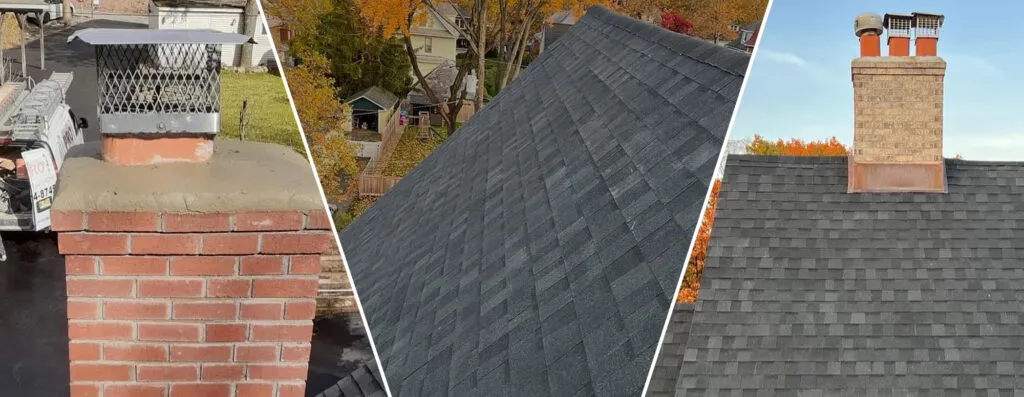
Professional chimney repair plays an essential role in protecting a home from moisture intrusion, deteriorating masonry, and damage around the roofline. The project featured in these photographs highlights important aspects of chimney and roofing work, including a brick chimney structure, a dark gray shingle roof, and a completed chimney with protective metal components installed at the top. Together, these details demonstrate why maintaining the chimney and roofing system as connected parts of the home’s exterior is important for long-term performance.
At ALL PRO Roofing & Chimney, roofing and chimney projects require careful evaluation, appropriate materials, and attention to the details that help protect residential properties. A chimney is exposed to rain, wind, temperature changes, and seasonal weather throughout the year. When its masonry, crown, cap, or flashing begins to deteriorate, moisture can enter vulnerable areas and affect both the chimney and the surrounding roof.
A professional assessment helps identify visible concerns, determine which repairs may be necessary, and establish an appropriate plan for restoring the affected components. Whether a property needs chimney masonry repair, flashing replacement, chimney crown repair, or related roofing services, the objective is to address the underlying condition rather than simply improve the exterior appearance.
Understanding the Importance of Chimney Repair
A chimney is a functional part of a home’s structure and, when connected to a fireplace or heating appliance, an important part of its venting system. Its exposed position above the roof makes it particularly vulnerable to weather-related deterioration.
Brickwork, mortar joints, the chimney crown, metal caps, and roof flashing each serve different purposes. These components must work together to help keep water out, maintain structural stability, and support the chimney’s intended function.
Professional chimney repair begins with understanding which components are damaged and why the problem developed. Cracked mortar may allow moisture to enter the masonry, while deteriorated flashing may permit water to penetrate where the chimney meets the roof. A damaged crown can expose the upper masonry to additional moisture, and a missing or deteriorated cap may leave the flue more vulnerable to rain and debris.
Although these problems can sometimes appear similar from the ground, they may require different repair methods. Replacing flashing will not correct deteriorated mortar, just as repointing brickwork will not resolve every possible leak at the roofline.
A thorough inspection helps distinguish between these conditions and determine the appropriate work. This approach supports more effective repairs and reduces the likelihood of overlooking related problems.
Evaluating the Condition of Brick Chimneys
The brick chimney shown in the first photograph illustrates the type of masonry structure that requires regular attention to its exposed surfaces and upper termination. Brick chimneys can remain serviceable for many years, but their condition depends on construction quality, weather exposure, maintenance, and the performance of protective components.
During a professional evaluation, the visible brickwork should be examined for deterioration, displaced masonry, cracking, and damaged mortar joints. Particular attention should be given to areas that repeatedly become wet or are exposed to concentrated runoff.
Mortar joints are especially important because they help bind the masonry together and limit pathways through which moisture may enter. When mortar becomes weak, powdery, recessed, or cracked, water can penetrate the joints and contribute to further deterioration.
Individual bricks may also develop surface damage or cracking. The appropriate repair depends on the severity and extent of the deterioration, as well as whether the surrounding masonry remains stable.
Not every surface imperfection requires extensive reconstruction. In some situations, localized masonry repairs may be appropriate. More extensive deterioration, however, can require a broader restoration plan.
The objective is to determine the actual condition of the chimney before selecting materials or beginning work. A professional assessment provides a more reliable basis for deciding whether the structure needs mortar repairs, brick replacement, crown work, or more substantial rebuilding.
Why Mortar Joint Repair Matters
Mortar joints are among the most important details in a traditional brick chimney. They connect the individual masonry units and contribute to the structure’s overall integrity.
Over time, exposure to rain, freezing conditions, temperature changes, and normal aging can cause mortar to deteriorate. Once joints become significantly recessed or damaged, water may penetrate areas that were previously protected.
Professional mortar repair, commonly called repointing or tuckpointing depending on the method and finish, involves removing unsuitable mortar to an appropriate depth and installing compatible replacement material.
The new mortar must be suitable for the existing masonry. Using an inappropriate mortar can create compatibility problems, potentially affecting the bricks and the performance of the repaired joints.
Preparation is also critical. Loose material must be removed carefully, and the joints must be prepared according to the selected repair method and material requirements.
Simply applying a thin layer of new mortar over a deteriorated joint may not provide a durable repair because the underlying material remains compromised.
A professional masonry contractor evaluates the condition of the existing joints and determines the appropriate repair approach. Properly executed work can help restore the integrity of the masonry and reduce opportunities for moisture intrusion.
Chimney Crown Repair and Upper Masonry Protection
The chimney crown forms the upper protective surface of many masonry chimneys. It covers the top of the masonry structure around the flue openings and is designed to help direct water away from the brickwork below.
When a crown develops cracks, deteriorates, or allows water to collect in vulnerable areas, moisture can reach the masonry and contribute to damage over time.
A professional inspection should examine the crown’s condition, including visible cracking, surface deterioration, drainage characteristics, and the transition between the crown and the chimney structure.
The correct repair depends on the crown’s construction and the extent of the damage. Minor deterioration may be addressed through a suitable repair method, while a severely damaged crown may require more extensive restoration or replacement.
The material used for the crown and the way it is detailed are important considerations. The repair should provide an appropriate protective surface without creating new weaknesses around the flue or masonry edges.
The upper portion of a chimney deserves particular attention because it receives direct exposure to rain, wind, and seasonal weather. Problems in this area can gradually affect lower masonry sections if moisture is allowed to penetrate repeatedly.
Regular inspections help identify deterioration before it progresses into a larger repair project. The appropriate solution should always be based on the actual condition of the chimney rather than appearance alone.
The Role of Chimney Caps and Metal Covers
The completed chimney shown in the third photograph features metal components above the brick structure. These protective elements illustrate an important part of chimney maintenance: the upper termination must be appropriate for the chimney’s design and intended use.
Chimney caps and flue covers can help limit the entry of rain, leaves, and other debris into compatible chimney systems. Depending on the design, a properly selected cap may also help reduce certain animal-entry problems.
However, chimney caps are not interchangeable with every other protective component. A flue cap, a masonry crown, and a chimney chase cover serve different purposes and must be selected according to the construction of the chimney.
The correct installation should preserve the required flue opening and provide appropriate clearance for the appliance or fireplace being served. Components must not obstruct the intended exhaust pathway or interfere with safe venting.
Metal materials should also be suitable for the conditions in which they will be used. Durability, corrosion resistance, attachment methods, and compatibility with the existing structure are important considerations.
A damaged, loose, or improperly fitted cap should be evaluated by a qualified professional. In some cases, replacement may be appropriate; in others, the underlying masonry or crown may also require attention.
The finished appearance shown in the photograph demonstrates how metal components can create a clean termination above a brick chimney. Their functional role, however, remains the primary consideration when selecting and installing them.
Chimney Flashing and Roof Leak Prevention
One of the most important connections between chimney work and roofing is the flashing installed where the chimney meets the roof surface. This transition is especially vulnerable because the roof covering intersects with a vertical masonry structure.
Chimney flashing is designed to manage water at this junction. Depending on the roof configuration, the system may include base flashing, step flashing, counterflashing, and other appropriately detailed components.
When flashing becomes loose, corroded, damaged, or incorrectly installed, water may enter the roof assembly. Homeowners might notice stains on ceilings or walls near the chimney, damp attic materials, peeling paint, or other signs of moisture intrusion.
These symptoms do not always identify the exact source of the leak. Water can travel along structural components before becoming visible inside the home, making a professional assessment particularly useful.
Effective chimney leak repair requires identifying the source rather than simply sealing the most visible opening. Applying surface sealant without correcting a failed flashing detail may provide only temporary relief.
A qualified roofing professional evaluates the relationship between the masonry, flashing, shingles, and roof structure before recommending repairs.
ALL PRO provides roofing and chimney services that can address these related areas. Learn more about its roofing services and chimney repair services.
Protecting the Roof Around the Chimney
The dark gray shingle roof featured in the center photograph illustrates how the roofing surface forms the larger protective envelope around a residential property. While the shingles provide the visible roof covering, their performance depends on proper installation and correctly detailed transitions.
The roof area surrounding a chimney must be installed with particular care. Shingles need to be arranged correctly around the flashing, and water must be directed toward the appropriate drainage paths.
Roofing materials should not be relied upon to compensate for damaged chimney masonry or defective flashing. Each component has a defined role, and the entire assembly must function together.
During a roof inspection, a contractor may examine shingles near the chimney for cracking, displacement, deterioration, or signs of previous repairs. Flashing edges and nearby roof materials should also be evaluated where accessible.
If a roof replacement is being considered, chimney condition should form part of the project assessment. Addressing relevant flashing or masonry concerns during a planned roofing project may help avoid leaving a vulnerable transition beneath an otherwise new roof.
The scope of work will depend on the actual condition of the existing installation. Some properties may need localized flashing repairs, while others may require broader roofing or chimney restoration.
Coordinating the two systems helps create a more complete approach to exterior water protection.
Recognizing Signs of Chimney and Roof Damage
Homeowners can benefit from recognizing early warning signs that suggest a chimney or roof may need professional attention.
Visible indicators include cracked mortar joints, missing or damaged bricks, deteriorated crown surfaces, loose metal components, and flashing that appears separated from adjacent materials. These conditions do not all require the same repair, but each can justify a closer inspection.
Water-related symptoms inside the home are also important. Brown ceiling stains, peeling finishes, damp insulation, and recurring moisture near a chimney may indicate a leak or another building-envelope problem.
Roofing concerns can include missing shingles, damaged roof edges, and recurring leaks after rain. When these issues occur close to a chimney, both the roof and chimney should be considered during the assessment.
A chimney that appears tilted, shows substantial cracking, or has visibly displaced masonry should receive prompt professional evaluation. Such conditions may indicate a more serious structural concern that cannot be resolved with cosmetic patching.
Homeowners should avoid climbing onto steep roofs or attempting to inspect unstable masonry themselves. Roof surfaces can be slippery, and deteriorated chimneys may present additional hazards.
Instead, arrange a professional inspection and explain the symptoms, when they began, and whether they worsen during particular weather conditions. This information can help the contractor evaluate possible causes and recommend suitable next steps.
How Professional Chimney Restoration Is Planned
A successful chimney restoration project begins with a clear understanding of the existing structure. The repair process should be selected according to the type of damage, the condition of the masonry, and the relationship between the chimney and the surrounding roof.
The initial evaluation may include examining brickwork, mortar joints, the crown, cap, flashing, and visible areas of the roof near the chimney. Where necessary, additional assessment may be needed to understand concealed damage or determine whether the structure remains suitable for continued use.
Once the condition has been established, the contractor can explain the recommended work and identify the materials required.
Localized repairs may involve repointing damaged mortar joints, replacing individual bricks, correcting flashing details, or repairing a chimney crown. More extensive deterioration may require rebuilding portions of the structure.
The work should follow an appropriate sequence. Unstable or deteriorated materials need to be addressed before finishing components are installed, and the surrounding roof must be protected during the process.
After the repairs are completed, the affected areas should be reviewed for workmanship and visible defects. The contractor should also explain any maintenance recommendations and identify concerns that may require future monitoring.
A clearly planned project helps homeowners understand the work involved and reduces the likelihood of overlooking related problems.
Choosing Durable Materials for Chimney Repairs
Material selection influences the quality and expected performance of chimney restoration. Brick, mortar, crown materials, flashing, and metal caps must be appropriate for their specific applications and compatible with the existing structure.
For masonry work, replacement mortar should be selected with consideration for the original materials and the condition of the brickwork. Excessively hard or incompatible mortar can create problems rather than improve the masonry.
Flashing materials must also suit the roof design, exposure conditions, and installation details. Correct overlaps and transitions are important because even a durable metal product can perform poorly if it is installed incorrectly.
Chimney caps and related metal components should be selected according to the flue arrangement, required clearances, and exposure to weather. Their dimensions and attachment methods must be appropriate for the installation.
Homeowners should ask contractors to explain the materials proposed for the project and why they are suitable for the existing chimney.
A professional recommendation should account for both immediate repairs and the surrounding construction. This is particularly important when several components show deterioration or when the same area has experienced repeated leaks.
For general information on safe chimney operation and maintenance, homeowners can consult the Chimney Safety Institute of America. Its educational resources can complement, but do not replace, an inspection of the specific property.
Preventing Recurring Chimney Leaks
Recurring chimney leaks can be frustrating because the visible symptom may appear far from the actual point of entry. Water may pass through a damaged crown, deteriorated mortar joint, or failed flashing detail before reaching an interior surface.
A lasting solution begins with determining the source. Repeatedly applying sealant to an interior stain or an exterior crack without investigating the surrounding assembly may leave the underlying problem unresolved.
The inspection should consider the chimney top, masonry joints, flashing, roof shingles, and other relevant transitions. The contractor should also determine whether previous repairs have failed or whether more than one issue is contributing to the moisture intrusion.
Once the source has been identified, repairs can be matched to the condition. This may involve correcting flashing, restoring damaged masonry, repairing the crown, or replacing unsuitable protective components.
After the work is completed, homeowners should monitor the area for recurring signs of moisture and arrange additional evaluation if problems persist.
Preventive maintenance is equally important. Periodic inspections can help identify deteriorating mortar, damaged metal, or other conditions before they develop into more extensive repairs.
The goal is not simply to conceal evidence of a leak, but to restore the affected parts of the building envelope and improve the chimney’s resistance to weather.
Why Professional Workmanship Makes a Difference
Chimney and roofing work involves components that must be installed correctly to perform their intended functions. The finished appearance is important, but the quality of concealed details can be equally significant.
A professional contractor considers the condition of the structure, the compatibility of materials, the drainage paths, and the connections between different components. This systematic approach helps ensure that repairs address the actual problem rather than treating only its visible symptoms.
Masonry work requires careful preparation and appropriate mortar selection. Flashing repairs require attention to overlaps and roof transitions. Metal caps must be suitable for the chimney design, while surrounding shingles need to remain properly integrated with the flashing system.
Workmanship also includes appropriate safety measures, protection of the property, and cleanup after the project is completed.
Homeowners should receive a clear explanation of the proposed work, the materials involved, and any limitations discovered during the inspection. Written estimates help establish the expected scope and clarify which repairs are included.
At ALL PRO Roofing & Chimney, homeowners can discuss roofing and chimney concerns with a company that offers services covering these connected areas of exterior maintenance.
The right repair plan depends on the condition of the individual property. A careful assessment helps determine whether targeted repairs are sufficient or a more comprehensive restoration is warranted.
Maintaining Your Chimney and Roof Throughout the Year
Routine maintenance helps homeowners remain aware of changes that could affect the chimney or roofing system. Seasonal weather, falling debris, and natural material aging can gradually influence exposed exterior components.
A practical maintenance plan includes arranging periodic professional inspections, paying attention to visible changes after severe weather, and responding promptly when signs of leakage or deterioration appear.
Roof gutters and drainage systems should also receive attention because obstructed drainage can contribute to moisture problems around roof edges and other exterior components.
Homeowners should keep records of completed repairs, including the areas addressed and any recommendations for future maintenance. This information can be useful when evaluating recurring problems or planning later work.
Chimney maintenance should also account for the appliance or fireplace connected to the flue. Masonry repairs and exterior waterproofing do not replace the need for appropriate inspection and cleaning of the venting system.
Any concerns involving smoke entering the home, unusual odors, suspected flue obstruction, or unsafe appliance operation should be assessed promptly by an appropriately qualified professional. Exterior repairs alone cannot confirm that a chimney is safe for use.
For broader home-maintenance information, the U.S. Department of Energy provides educational resources about residential energy efficiency and building performance.
Combining appropriate maintenance with timely professional repairs can help homeowners manage the condition of their property’s exterior and make more informed decisions about future improvements.
Schedule Professional Chimney and Roofing Service with ALL PRO
The photographs highlight the relationship between brick chimney construction, protective metal components, and the gray shingle roof surrounding the structure. Each element contributes to the home’s exterior protection, and each requires appropriate attention when deterioration or damage occurs.
Professional chimney repair can address damaged mortar, deteriorated masonry, crown problems, defective flashing, and unsuitable or damaged chimney caps. Roofing services can address related concerns involving shingles, roof leaks, and the surrounding roofing assembly.
The appropriate solution begins with an inspection that identifies the actual condition of the affected components. From there, a qualified contractor can explain the available repair options and recommend a practical approach for the property.
ALL PRO Roofing & Chimney provides roof replacement, roof repair, roof leak repair, chimney repair, chimney restoration, and related exterior services. Homeowners can explore the company’s chimney services or request an evaluation through its free estimate page.